|
'பள்ளோ�
என்றால்
நாய் ...
�கொட்டியா�
என்றால்
புலி!
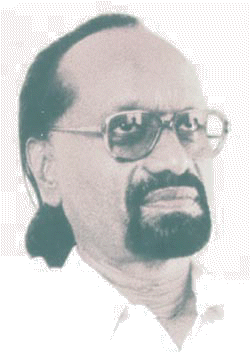
காசி
ஆனந்தனுடன்
ஒரு
சந்திப்பு
��ஈழத்தின்
ஒவ்வொரு
பறவையும்,
விடுதலையின்
பாடலைத்
தன்
இறக்கைகளில்
சுமந்து
உலகெங்கும்
பறந்து
செல்கிறது!��
என்கிறார்
ஈழக்
கவிஞர்
காசி
ஆனந்தன்.
தாய்
மண்ணைத்
தொலைத்து,
ஈழத்தின்
நினைவுகளுடன்
உலகெங்கும்
அலையும்
ஒவ்வொரு
ஈழத்
தமிழனும்,
இந்த
உணர்ச்சிக்
கவிஞரின்
கவிதைகளுடன்தான்
வாழ்கிறான்.
விடுதலைப்
போராளி
இயக்கங்களின்
துப்பாக்கி
முனைகளுக்கு
நிகராக,
காசி
ஆனந்தனின்
பேனா
முனையும்
தங்களை
பலவீனப்படுத்துவதாக
என்றென்றும்
ஒரு
கொதிப்பு
இலங்கை
ராணுவத்துக்கு
உண்டு.
அதனாலோ
என்னவோ...
துப்பாக்கிப்
பயிற்சிக்கு
இலக்காக
இவரது '
கட்-அவுட்'
களை
நிற்க
வைத்து,
சிங்கள
ராணு
வத்தினர்
சுட்டுப்
பழகியதாகவும்
ஒருகாலத்தில்
சொல்வார்கள்.
.
இன்றும்,
உலகெங்கும்
தன்
உணர்ச்சிக்
கவிதைகளால்
ஈழத்
தமிழர்களுக்கான
விடுதலை
விளக்கை
எடுத்துச்
செல்லும்
இந்தக்
கவிஞர்,
இப்போது
தமிழகத்தில்
முடக்கப்பட்ட
அகதி
வாழ்வு
வாழ்கிறார்.
மிக
நீண்ட
இடைவேளைக்குப்
பிறகு,
விகடனுக்காக
தன்
மௌனம்
கலைக்கிறார்
காசி
ஆனந்தன்.
உண்ணாவிரதம்
இருந்து
உயிர்
துறந்த
விடுதலைப்
புலி
திலீபன்
பற்றிப்
பேச்சு
வந்ததும்,
நொடிப்
பொழுதில்
கவிஞரின்
கண்கள்
குளமாகின்றன...
"திலீபனின்
தியாக
மரணம்
என்
வாழ்வில்
என்றும்
மறக்க
முடியாத
தருணம்.
ஈழத்தின்
விடுதலை
உணர்வு
தமிழகத்திலும்
தீயாகக்
கொந்தளித்த
நேரம்
அது.
அங்கே
நல்லூர்
முருகன்
கோயிலில்
திலீபன்
சாகும்
வரை
உண்ணாவிரதத்தைத்
தொடங்கினார்.
நான்தான்
அந்தத்
தம்பியை
அழைத்துப்
போய்,
விரத
மேடையில்
அமர
வைத்தேன்.
12
நாட்கள்,
சொட்டுத்
தண்ணீர்கூட
அருந்தாமல்
வீர
மரணம்
அடைந்தான்
தம்பி.
உடல்
துவண்டு,
உயிர்
அடங்கும்
நேரத்திலும்
கண்களில்
ஒளி
குன்றாத
அந்தத்
தம்பி, '
என்
கடைசித்
தறுவாயில்
காசி
அண்ணாவின்
கவிதை
வரிகள்
என்
இதயத்தை
நிரப்ப
வேண்டும்'
என்று
ஆசைப்பட்டான்.'
'நம்புங்கள்,
தமிழ்
ஈழம்
நாளை
பிறக்கும்...
நாட்டின்
அடிமை
விலங்கு
தெறிக்கும்!'
என்ற
எனது
வரிகளைக்
கேட்டபடியே
திலீபனின்
மூச்சு
அடங்கியது.
மரணத்தைத்
தன்
பக்கத்திலேயே
வைத்து
நேசித்தவன்
திலீபன்.
அவனுடைய
தியாகத்தை
நினைக்கும்போது,
ஈழத்துக்குள்
காலடி
எடுத்துவைக்க
முடியாமல்
இங்கே
அகதி
வாழ்க்கை
வாழ்கிற
எனது
துயரம்
ஒரு
பொருட்டாக
எனக்குத்
தோன்றுவதில்லை''
என்கிறார்
காசி
ஆனந்தன்.
அன்று
முதல்
இன்று
வரையிலான
தனது
வாழ்க்கையின்
ஓட்டத்தையும்
மெதுவாக
நினைவு
கூர்கிறார்...
��ஈழம்
இன்று
உலகின்
முற்றத்
தில்
நிமிர்ந்து
நிற்கிறதென்றால்,
அதற்குப்
புலிகளும்
ஈழ
மக்களும்
கொடுத்த
விலை
கொஞ்சநஞ்சம்
அல்ல.
தமிழர்களுக்கு
எதிரான
வெறுப்பை
விதைக்கிற
வேலையை
காலங்காலமாகச்
செய்து
வருகிறது
சிங்கள
அரசு.
சிங்களக்
குழந்தைகளின்
பாடப்
புத்தகங்களில்கூட
வெறுப்பைக்
கக்கி,
பிஞ்சு
உள்ளங்களிலும்
தமிழர்களுக்கு
எதிரான
நஞ்சை
விதைக்கும்
அரசு
அது.
நான்
சிறுவனாக
இருந்தபோது
தமிழர்களை
�தமிழ்
பள்ளோ�
என்று
தான்
சிங்களர்கள்
அழைப்பார்கள்.
�பள்ளோ�
என்றால்
�நாயே�
என்று
சிங்களத்தில்
பொருள்.
பள்ளோ
என்று
அழைத்தவர்களை
�கொட்டியா�
என்று
அழைக்க
வைத்தோம்.
கொட்டியா
என்றால்,
�புலி�
என்று
பொருள்"
எழுபதுகளின்
துவக்கத்தில்
என்னைக்
கைது
செய்து
சிறையில்
அடைத்தது
சிங்கள
ராணுவம்.
என்
தம்பிகள்
சிவஜெயம்,
சுதர்சனையும்
(பின்னர்
சயனைட்
அருந்தி
இறந்தார்)
என்
தங்கை
சிவமலரையும்
சிறையில்
அடைத்தார்கள்.
நான்
ஐந்து
ஆண்டுகள்
சிறையில்
இருந்தேன்.
�பத்துத்
தடவை
பாடை
வராது.
பதுங்கிக்
கிடக்கும்
புலியே
தமிழா...
செத்து
மடிதல்
ஒரே ஒரு
முறைதான்...
சிரித்துக்கொண்டே
செருக்களம்
வாடா!�
என்று
ஒரு
கவிதை
எழுதினேன்.
அந்தக்
கவிதைதான்
' என்னை'
யே
இலக்காக
வைத்து
அவர்கள்
சுட்டுப்
பழகும்
அளவுக்கு
அவர்களின்
கோபத்தைப்
பெரிதாக
மூட்டிவிட்டது!
என்னோடு
சேர்ந்து
என்
மனைவி
சரோஜினிதேவியும்
தொடர்ந்து
துன்புறுத்தப்பட்டாள்..அப்போதுதான்
நாங்கள்
அங்கிருந்து
அகதியாக
இன்னும்
சிலருடன்
தமிழ்நாட்டுக்கு
வந்தோம்.
மீண்டும்
நான்
அங்கே
போனபோது,
மிகப்
பெரிய
பொறுப்புகள்
ஒப்படைக்
கப்பட்டன.
அவற்றை
நிறைவேற்றிக்
கொண்டிருந்தபோது,
அங்கு
நிலைமை
மோசமடைய,
மீண்டும்
இந்தியாவுக்கு
வந்தேன்.
இதோ,
இப்போது
பதினைந்து
வருடங்களாக
சென்னையில்தான்
இருக்கிறேன்.
இப்போது
நான்
ஈழம்
செல்ல
விரும்பினால்கூட
அரசு
அனுமதிக்காது.
நான்
கண்
காணிக்கப்பட்டு,
முடக்கப்பட்டு
இருக்கிறேன்��
என்கிற
காசி
ஆனந்தனின்
சிரிப்பில்
சிலிர்ப்பு
வழிகிறது.
இந்திய
அரசு
ஏன்
உங்களை
முடக்கி
வைத்துள்ளது?
��அது
ஏன்
என்றுதான்
எனக்கும்
தெரியவில்லை.
இரண்டு
ஆண்டுகளுக்கு
முன்
என்னுடைய
தாயார்
சுகவீன
மாகி
ஈழத்தில்
இறந்தபோது,
ஈமக்
காரியங்கள்
செய்
யக்கூட
எனக்கு
அனுமதி
மறுக்கப்பட்டது.
என்
மீது
சுமத்தப்பட்ட
எந்த
குற்றச்சாட்டுகளும்
நிரூபிக்கப்படவில்லை.
தனிப்பட்ட
முறையில்
எந்தத்
தவறுகளும்
நான்
செய்யவில்லை.
இந்தியாவும்
ஈழமும்
நட்புடன்
இருக்க
வேண்டும்
என்று
எவ்வளவோ
முயன்றோம்.
எங்களுடையநோக்கம்
ஒன்றுதான்...
இந்தியா
&
ஈழத்தின்
உறவை
வலுப்படுத்துவதும்,
ஈழத்தில்
இந்தியாவின்
உதவியுடன்
அமைதியைக்
கொண்டுவருவதும்,
அமைதிப்படை
ஏற்படுத்திய
காயங்களைத்
துடைப்
பதும்தான்
எங்கள்
நோக்கம்.
நல்லெண்ணத்துடன்
செயல்பட்ட
என்னை
மீண்டும்
மீண்டும்
விசார
ணைக்கு
உட்படுத்துவது
மிகப்
பெரிய
துன்பமாக
இருக்கிறது.
என்னுடைய
கடவுச்சீட்டு
(பாஸ்போர்ட்)
முடக்கப்
பட்டுள்
ளது.
�ஈழம்
எங்கள்
தாய்
நாடு...
இந்தியா
எங்கள்
தந்தை
நாடு�
என்று
ஆன்டன்
பாலசிங்கம்
சொன்னதைத்தான்
நினைவுகூர்கிறேன்.
தந்தையின்
மடியில்தான்
என்
உயிர்
போக
வேண்டும்
என்றிருந்தால்,
அதை
யாரால்
மாற்ற
முடியும்?'
�இப்போது
இலங்கை
யில்
நிலவும்
அமைதி
நிலை
யானதா,
நிஜமானதா?
��சிங்களர்களுக்கும்
தமிழர்களுக்குமான
மோதல்
என்பது
இன்று
நேற்றல்ல...
1500 ஆண்டு
காலமாக
நடந்து
வரும்
மோதல்.
சிங்களர்களின்
நோக்கம்,
சிக்கலைத்
தீர்ப்பதல்ல...
தமிழர்களைத்
தீர்ப்பதாக
இருக்கிறது.
சமாதானம்
பேச
வந்த
நார்வேயைக்கூட
சிங்கள
அரசால்
சகித்துக்கொள்ள
முடியவில்லை.
நார்வே
அரசுக்கு
எதிரான
போராட்டங்களை
சிங்கள
பிக்குகளைத்
தூண்டிவிட்டு
சந்திரிகா
செய்கிறார்.
ஒரு
பக்கம்
அமைதிப்பேச்சுவார்த்தை
என்று
சொல்லிவிட்டு,
இன்னொரு
பக்கம்
விடுதலைப்புலிகளை
தடைசெய்யக்
கோரி
உலக
நாடுகளுக்குக்
கடிதம்
எழுதுகிறார்
சந்திரிகா.
ஒன்று
தெரியுமா...
வியட்நாம்
தன்னுடைய
விடு
தலைக்குப்
போராடியபோது
சீனாவும்
ரஷ்யாவும்
வியட்நாமுக்கு
உதவின.
பாலஸ்தீனத்துக்கு
அரபு
நாடுகளின்
ஆதரவு
இருந்தது.
பங்களாதேஷ்
ஆக்கிரமிக்கப்பட்ட
போது
இந்தியா
தன்
கைகளில்
தாங்கிப்
பிடித்தது.
ஆனால், 28
ஆண்டு
காலமாக
விடுதலைப்புலிகள்
எந்த
நாட்டின்
தயவும்
இல்லாமல்
வீரம்
செறிந்த
ஒரு
போராட்டத்தை
நடத்திக்கொண்டு
இருக்
கிறார்கள்.
.
அமைதிப்
பேச்சு
வார்த்தைக்
காலத்தைப்
பயன்படுத்தி,
நூற்றுக்கணக்கான
புலிகளைச்
சிங்கள
ராணுவம்
கொன்று
குவித்துள்ளது.
இதனால்,
நிலவுவது
அமைதியா
போரா
என்ற
ஐயம்
தமிழர்கள்
மத்தியில்
எழுந்துள்ளது.
சுனாமிக்குப்
பிறகு,
உயிரையும்
உடைமைகளையும்
வீட்டையும்
இழந்த
தமிழர்களுக்கு,
உலக
நாடுகள்
வழங்கிய
உதவிப்
பொருட்களைக்கூட
கொடுக்காமல்
நீதிமன்றத்தின்
மூலம்
தடுத்து
வைத்திருக்கிறது
சிங்கள
அரசு.
ஆழிப்
பேரலையின்
கோர
தாண்டவத்தைப்
பார்க்க
வந்த
கிளிண்டனைக்கூட
ஈழப்
பகுதிகளுக்குச்
செல்ல,
பாதுகாப்பு
காரணங்களைக்
காட்டி
மறுத்திருக்கிறது.
மீண்டும்
மீண்டும்
தமிழர்களை
யுத்த
முனைக்குக்
கொண்டு
செல்வதே
சிங்கள
அரசின்
விருப்பமாக
இருப்பதுதான்
வேதனை!��
விடுதலைப்புலிகள்
தங்கள்
பெயரை
சர்வதேச
சமூகத்திடம்
கெடுத்து
வைத்திருக்கிறார்களே?
��புலிகளை
ஒரு
போராளி
அமைப்பாகப்
புரிந்துகொண்டால்
இந்த
அவப்பெயரின்
மீது
இருக்கும்
அரசியல்
புரியும்.
உலகெங்கிலும்
தேசிய
இன
விடுதலைக்காகப்
போராடும்
போராளிக்
குழுக்கள்
மீது
சுமத்தப்படும்
குற்றச்சாட்டுதான்
இது. ஈழ
மக்கள்
நிராயுதபாணிகளாக
நின்றபோது,
எமது
மக்களைப்
பாதுகாக்க
ஆயுதம்
எடுத்தவர்கள்
புலிகள்
.
புலிகள்
இல்லையென்றால்,
இலங்கையில்
தமிழர்களின்
கதி
என்னவாகியிருக்கும்
என்பதை
நினைத்துப்
பாருங்கள்.
.
அமைதிப்
படையுடனான
மோதல்கூட
தங்களைத்
தற்காத்துக்கொள்ள
நடத்
தப்பட்டதுதானே
தவிர,
இந்தியாவை
எதிர்த்து
அல்ல!
ஈழ
மக்கள்
கேட்பதெல்லாம்
ஒன்று
தான்...பாலஸ்தீனப்
போராட்டத்தைப்
புரிந்துகொண்டதைப்போல,
ஈழப்
போராட்டத்தையும்
சர்வதேச
சமூகம்
அங்கீகரிக்கட்டும்.
புலிகள்
தங்கள்
மீது
சுமத்தப்படுகிற
எல்லா
களங்கத்தையும்
துடைத்தெறிவார்கள்
. எம்
மண்ணின்
விடுதலையை
நாங்கள்
மீட்டெடுப்போம்.
ஏனெனில்,
சுதந்திரம்
என்பது
சலுகை
அல்ல...
உரிமை!��
\
டி.அருள்
எழிலன்
|
 Kasi Ananthan on 'Regionalism'
in Tamil Eelam - TamilNet, March 23,
2004 Kasi Ananthan on 'Regionalism'
in Tamil Eelam - TamilNet, March 23,
2004
In a statement to Tamil media on the recent
raising of regionalism in the East by renegade
commander Mr. Vinayagamoorthy Muraleetharan
(Karuna), Mr. Kasi Anandan, a well-known poet
from the East, said that the more than 17,700
fighters from Tamil Eelam who sacrificed their
lives in the liberation struggle did not do so
for Jaffna or Batticaloa, but for Tamil Eelam.
�I will never accept the
division of Tamil Eelam as Jaffna and Batticaloa.
The people of Tamil Eelam will live until their
last breath for Tamil Eelam,� he
said. Mr. Kasi Anandan�s
statement continues:
�There was a time when a
parliamentarian (MP) from the East, Mr. V.
Nalliah, raised regionalism and the Sinhala
government in power gave him a ministerial post.
Then came another MP, Mr. K.W.Devanayagam, who
also raised regionalism and was rewarded by the
then United National Party government with a
cabinet position. �There was a
political organizer in Batticaloa by the name
Rajan Selvanayagam, who also raised regionalism
for the sake of his own political career.
�Then there was the
parliamentarian Mr. S. Rajadurai, who initially
thundered that there should be a Tamil homeland
(or Tamil Eelam) from Kankesanthurai in the North
to Thirukovil in the South.
In the end, he too raised regionalism and was
rewarded with a ministerial post.
�This kind of betrayal and
regionalism from Batticaloa did not end with
that. There are new traitors who advance
regionalism. "But such regionalism was burnt to
ashes by the fire of Tamil nationalism a long
time ago. Regionalism will not rise again from
the ashes.�
Kasi Anandan - a Short
Biography
Kasi Ananadan was born in 1938 in Batticaloa.
While as a student at Batticaloa Central College,
he took part in �anti-Sinhala
campaigns," and was arrested for the first time
and given a suspended sentence for tarring
Sinhala car registration plates. Later, when he
erased school name-boards in the Sinhala script,
he was arrested and taken to the Batticaloa
Police Station where he was tortured, with the
result that his asthmatic condition deteriorated
steadily.
Soon after his release, he went to Tamil Nadu
to pursue his studies in Tamil linguistics and
literature, and there, at the Pachiappa College,
he horned his language and creative skills
Professor M.Varadarasan and Dr.N.Sanjeevi.
While in Tamil Nadu, he frequented the famous
spokesman poet Bharathidasan
of the Dravida Kazhakam, the movement founded by
Periyar
E.V.Ramasamy. In 1963, he returned to Sri
Lanka and worked a translator in the Translation
Bureau. But when Sri Lanka became a Republic in
1972, Kasi Ananthan decided to surrender his
official post and make his opposition felt
through militant action. Soon after his
resignation, he was taken into custody by the
authorities for his involvement in militant
activities in favour of the cause of Eelam
independence.
With the onset of the ethnic problems in the
post-war days, Kasi Ananthan chose to adhere to
the Federal Party, led by S.J.V.Chelvanayagam. By
1976, however, the latter party was absorbed into
the Tamil United Liberation Front [TULF],
composed of three separate parties, then under
the leadership of the late Appapillai Amirthalingam.
When the TULF was founded in 1972, Kasi Ananthan
was the organizing secretary, and later he became
one of the Central Politburo members. Since Kasi
Ananthan�s chief purpose was to
militate in favour of the Tamil separatist cause,
he found the TULF far too ineffectual for his
aims, and so he turned to the Tigers, the
Liberation Tigers of Tamil Eelam, in 1982, which
earned him proscription by the Sinhala government
in Colombo.
Kasi Ananthan�s poems
were considered seditious, and he spent five long
years in various prisons at Welikade, Batticaloa,
Matara, and Kandy. When the Tigers sought
refuge in India, they took him with them, and he
still resides there, in Chennai. In 1987, when
the Indo-Sri Lankan Agreement was signed, he
returned to Sri Lanka along with LTTE chief
Veluppillai Pirabhakaran who had
earlier on come for peace talks in India. Kasi
was part of a peace delegation that met with
Prime Minister Rajiv Ghandi.
Following which, the poet was elected a member
of the Central Committee of the Political Wing of
the LTTE. During his sojourn in Tamil Nadu,
Aditanar, a Tamil leader of the
�We Tamils
Movement� who was also Speaker
of the Tamil Nadu Assembly and chief editor of
Thinathanthi, bestowed on him the title of
Unarchik Kavi�ar, the poet of
emotional commitment, very much in the same
category as the Tamil poet of Pondicherry,
Bharathidasan who has been hailed as the
poet-spokesman of the Dravida Kazhakam
movement.
Kasi Ananthan is reputed to have proclaimed:
Pirapakaran ninaittatu natakkum, that is,
� What Prabhakaran
thinks/wishes/wants will happen!
� Since Premier Rajiv
Ghandi�s assassination, he has
been under strict surveillance in Chennai. His
songs/poems in support of the Tigers number more
than a thousand, according to the poet, and he is
easily the most revered poet among the Tamils of
Sri Lanka and the Eela Diaspora.
It is even said of him that he is the greatest
recruiter of guerrillas for the cause of Tamil
Eelam. Youngsters on hearing his songs and poems
become so motivated and fired that they drop
everything: studies, families, and jobs - just to
join the ranks and fight for an independent land
of their own. He married a qualified nurse from
his hometown in 1979, and his two teenage
daughters are en route to becoming doctors in
Chennai.
Kasi also has/had two brothers and a sister.
His brother Sutharshan had sought political
asylum in Germany and resides there as a refugee,
and his unmarried sister Sivamalar who was jailed
at Poosar Camp in Colombo for a year and a half
lives with her/their mother, though under
constant harassment � according
to the poet � in Batticaloa.
Sivajeyam, who was in-charge of the
LTTE�s finances in the
Batticaloa and Amparar regions, was jailed
together with Kasi during 1975-76, and later
during the IPKF�s onslaught on
the Tamils took cyanide in Thalankuda, in 1988.
The poet remains particularly marked by this
incident.
|