|
CONTENTS
OF THIS SECTION
06/08/09
|
|
சைவத்தின்
சமரசம் -
சில
குறிப்புகள்,
1930 |
| Thiru.Vi.Ka.
Government Arts College |
Death of Thiru Vi. Ka.,The Hindu, 19 September
2003 - The scholar-writer Mr. T. V.
Kalyanasundara Mudaliar (71), well-known as "Thiru
Vi. Ka.", passed away in his residence in Ganapathi
Mudali Street, Royapettah, Madras, on the evening
of the 17th. He had lost consciousness at about 5
p.m. and breathed his last at 7-40 p.m.
An eminent scholar in Tamil, a great writer, a
fluent speaker, and a former Trade Union Leader,
Thiru. Vi. Ka. had been ailing for about three
months. His 71st birth-day had been celebrated not
long before.
Thiru Vi. Ka. had written nearly 50 books on
subjects of varied interest - such as school
education, social service, and religion. He was an
ardent follower of the teachings of Saint Sri
Vallalar Ramalinga Swamigal. Thiru. Vi. Ka.
provided written commentaries on Tirukkural and
Periya Puranam.
He composed too a number of fine Tamizh poems.
Among his outstanding works were "Pennin Perumai",
"Manitha Vazhkkaiyum Gandhiyadigalum", and "Murugan
(Azhagu)".
He had been a keen advocate for workers' rights,
but retired from trade union and political activity
in 1947.
Born in Tullam village in Chinglepet district in
1883, Mr. Kalyanasundara Mudaliar went to the
Wesley College High School.
He worked in Spencers in Madras for a short time,
and later as a teacher in the Thousand Lights
School. During 1916-17 he was employed as a Tamil
lecturer in the Wesley College. In December 1917 he
joined the editorial staff of Desabakthan, a Tamil
daily, which he served for more than two years.
Thiru. Vi. Ka. entered the field of trade union
activity in 1918. Joining hands with Mr. B. P.
Wadia, he was responsible for the establishment of
the labour movement for the first time in South
India in 1918. Thiru. Vi. Ka. started the Tamil
weekly Navasakthi in 1920.
He was President of the Tamizh Nadu Congress
Committee in 1926.
Mr. C. Rajagopalachari, Chief Minister of Madras,
called at the residence of the late Thiru V.
Kalyanasundara Mudaliar and paid his last respects
to the departed leader. Among others who visited
the residence were Messrs. J. Sivashanmugham
Pillai, Speaker of the Madras Assembly, T.
Chengalvaroyan, Mayor, S. Parthasarathi Iyengar,
Commissioner of Police, M. Bhaktavatsalam, M. P.
Sivagnana Gramani, T. P. Meenakshisundaram, S. S.
Vasan, Abdul Hameed Khan, Dawood Shah, Periaswami
Thooran, Dr. B. Natarajan, Dr. P. Varadarajalu
Naidu, Kotthamangalam Subbu, N. D. Sundaravadivelu,
K. Chandrasekharan, K. S. Ramaswami Sastri,
Pandithai Krishnaveni Ammal, Mrs. Neelavathi
Ramasubramaniam, Dr. Dharmambal, and Mrs. Tara
Cherian.
The body of Thiru Vi. Ka. was removed to the
premises of the Madras Labour Union in Perambur
Barracks Road, from where it was to be taken in
procession through the main roads of the City to
Mylapore for the last rites.
|
| |
| |
|
|
One Hundred
Tamils of the 20th Century
V. Kalyanasundaram
1
(Thiru Vi Ka)
திருவாரூர்
வி.
கல்யாணசுந்தரம்
1883- 1953
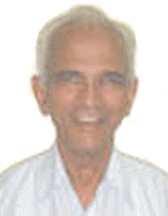 Tiruvarir Viruttacala Kalyanasundara
Mudaliyar, better known by his Tamil initials
Thiru Vi Ka ("Mr. V.K."), was a Tamil scholar,
essayist and activist. He is esteemed for the
strong humanism of his essays, the analytical
depth of his commentaries on classical Tamil
literature and philosophy, and the clear, fluid
style of his prose. His works, along with those
of V. O.
Chidambaram Pillai, Maraimalai Adigal, and
Arumuga Navalar are
considered to have defined the style of modern
Tamil prose. Tiruvarir Viruttacala Kalyanasundara
Mudaliyar, better known by his Tamil initials
Thiru Vi Ka ("Mr. V.K."), was a Tamil scholar,
essayist and activist. He is esteemed for the
strong humanism of his essays, the analytical
depth of his commentaries on classical Tamil
literature and philosophy, and the clear, fluid
style of his prose. His works, along with those
of V. O.
Chidambaram Pillai, Maraimalai Adigal, and
Arumuga Navalar are
considered to have defined the style of modern
Tamil prose.
Thiru Vi. Ka was born in the village of Tullam,
near Chennai in the southern Indian state of
Tamil Nadu in 1883. He attended the Wesley
College High School, and also studied Tamil under
Maraimalai Adikal and N. Kathiravel Pillai of
Jaffna. He worked briefly as a teacher, and in
1917 became an editorial assistant on Tesapaktan,
a nationalist Tamil daily. Thiru Vi. Ka. was soon
involved in various aspects of the independence
movement. During this period, he became a strong
campaigner for worker rights. In 1918, he became
active in the trade union movement as an
associate of BP Wadia, and organised the first
trade unions in the south of India (Sesaiya
1989).
In 1920, Thiru. Vi. Ka. started the a new Tamil
weekly magazine, titled Navasakthi. Navasakthi
would be the vehicle for his thoughts for much of
the rest of his life. Thiru Vi. Ka. sought to
make his magazine a beacon to the Tamil people.
His writings reflected his political and
philosophical views. He published one of the
first Tamil interpretations of the thought of
Mahatma Gandhi, which is still
regarded as an important milestone in Gandhian
studies. He wrote a number of works on the
religious and spiritual thought of Ramalinga Swamigal, an influential
Tamil Saivite philosopher-saint of the 19th
century. He wrote commentaries on a number of
works of classical Tamil literature, which
appeared as serials in Navasakthi.
Over the course of his writing career, Thiru Vi.
Ka. published over fifty books. These include
Manitha Vazhkkaiyum Gandhiyadigalum, a study of
the implications of Gandhi's thought for human
conduct. His Pennin perumai allatu valkait tunai
nalam was one of the most read books of that
period. Also very influential, albeit at a more
critical level, is his study of the concept of
Beauty in Hinduism, published as Murugan alladhu
azaku(Lord Murugan or Beauty). His writings
reflect the internationalism characteristic of
Indian intellectuals of that period, a strong
pride in Indian and Tamil culture, coupled with a
strong belief in the unity and universal kinship
of all human thought (Rajenthiran 1982).
In his writings, Thiru Vi. Ka. developed a prose
style which built on the inner rhythms of the
Tamil language and produced a rhythmic, flowing
text. The field of Tamil prose was still
relatively new, and the style he developed was
extremely influential. His works are today seen
as having given a new energy to the Tamil
language and regarded as part of the foundations
on which the modern Tamil prose style has been
built (Raghavan 1965).
Through this period, Thiru Vi. Ka. continued to
remain active in politics and the Indian
independence struggle. He was considered to be
one of the three pillars of the Indian National
Congress in Tamil Nadu, even becoming the
President of the Tamil Nadu Congress Committee in
1926 (Cankaran 1970). He spent much time touring
Tamil Nadu, making speeches on the need for
independence. He remained active well into his
sixties, and did not retire from politics until
Indian independence in 1947.
Thiru Vi. Ka. died on September 19, 1953 at the
age of 71.
On October 21, 2005, he was honored by being
placed on a postage stamp (Rangaraj 2005).
References
Cankaran, A.R.
(1970). Tennāttupperiyār
mūvar. Chennai: Vairam.
Raghavan, T.S. (1965). Makers of modern Tamil.
Tirunelveli: South India Saiva Siddhanta Works
Publication Society.
Rajenthiran, P.L. (1982). Tiru Vi. Ka.
Cintanaikal. Chennai: Celva Nilaiyam.
R Rangaraj (2005). They left behind their
stamp. Retrieved on February 12, 2006.
Sesaiya, M. (1989).Tamil thendral Tiru. Vi.
Ka. vinneñcam. Chennai: Kiristava
Ilakkiyac Cankam.
Death of Thiru Vi. Ka.,
The Hindu, September 19, 2003, originally
published September 19, 1953. Retrieved on
2006-02-09.
[The text of this article from Wikepedia is published here
under the terms of the GNU Free Documentation
License.]
|
 திருவாரூர்.
வி.
கல்யாணசுந்தரனார்
எழுதிய திருவாரூர்.
வி.
கல்யாணசுந்தரனார்
எழுதிய
சைவத்தின்
சமரசம் -
சில
குறிப்புகள்,
1930
"சைவம்
அருணெறி.
அருளாளர்களே
! உலகை
உற்று
நோக்குங்கள்;
உலகில்
எந்நெறி
பெருகி
இருக்கிறது;
அருணெறியா
?
மருணெறியா
?
உன்னுங்கள்
! கொலைச்
சாலைகளின்
பெருக்கை
என்னென்று
கூறுவது
! கொலைக்
கருவிச்
சாலைகளின்
பெருக்கை
என்னென்று
கூறுவது
! அந்தோ !
உள்ளம்
நடுங்குகிறது
!
இக்கொலைப்
பெருக்கிற்குக்
காரணம்
யாவர் ?
சீவகாருண்யத்தை
மூலதர்மமாகக்
கொண்டுள்ள
சைவர்களாகிய
நீங்களல்லவா
?
சைவர்களே
! உங்கள்
சமயம்
யாது ?
நீரில்
மூழ்குவதா
?
நித்தம்
நித்தம்
துணி
தோய்ப்பதா
?
நீறிடுவதா
?
அனுட்டானஞ்
செய்வதா
? கோயில்
வலம்
வருவதா ?
அன்று;
அன்று.
இவை
யாவும்
புறவொழுக்கங்களாகும்.
சீவகாருண்ய
நெறியே
உங்கள்
நெறி.
அ·தில்லையேல்இ
குளித்தலும்
பூசனையும்
பிறவும்
என்னாம்
?
நீங்கள்
உங்கள்
அருள்
தொண்டை
ஆற்றி
இருப்பின்
உலகில்
உயிர்க்கொலை
நிகழுமா
? புலைப்
புசிப்பு
நிகழுமா
?
உயிர்க்கொலையும்
புலைப்
புசிப்பும்
மடங்களையுந்
தீண்டுமளவு
பரவியிருப்பதைக்
கவனிக்கின்றீர்களா
? சைவ
உலகின்
கவலையீனமென்னே
! என்னே !
இனி
அருள்
உலகம்
மறையுமோ
என்னும்
அச்சம்
உண்டாகிறது.
உங்கள்
ஒற்றுமை
இன்மைஇ
உழைப்பின்மைஇ
சித்தாந்த
ஞானத்தை
உலகுக்கு
அறிவுறுத்த
முன்
வராத
'தன்னலம்'
உலகைத்
துன்புறுத்துகின்றன.
"நஞ்சமயம்
தமிழர்க்கே
உரித்து
- அது
தமிழ்
நாட்டளவிலே
கட்டுப்பட்டுக்
கிடத்தல்வேண்டும்"
என்னும்
குறுகிய
நோக்கத்தை
உதறித்தள்ளுங்கள்;
நானாபக்கங்களிலும்
அருணெறியோம்ப
முயலுங்கள்.
பரந்த
நோக்குடைய
ஒரு
கொள்கையை
-
மன்பதைக்குரிய
ஒரு
சமயத்தைப்
பிறர்க்குப்
பயன்படுத்தாது
அதைச்
சிறைப்படுத்துவதும்
சிறுமைப்படுத்துவதும்
அறமாமோ ?
எத்துணையோ
உயிர்கள்
அருளுணர்வு
பெறுவதை
மறிப்பது
மறச்செயலன்றோ
?
அதனினும்
வன்கண் -
கொடுமை -
கொலை -
வேறொன்றுண்டோ
?
தானத்திற்
சிறந்த
தானம்
எது ? ஞான
தானமன்றோ
? அதையா
தடுப்பது
?
ஆண்டவன்
அருள்
அமுதைப்
பருகச்
'சேரவாருஞ்
செகத்தீரே'
என்று
உங்கள்
ஆன்றோர்
உலகை
நோக்கிக்
கூவி
அழைத்திருப்பதைக்
கருதுங்கள்
..............................................
உங்களுக்கு
என்ன
இல்லை ?
அறிவு
நூல்கள்
இல்லையா
? அன்பு
நூல்கள்
இல்லையா
?
அருணூல்கள்
இல்லையா
?
எல்லாம்
உண்டு.
வேண்டற்பாலது
எழுச்சியே.
நெருப்பிடை
நின்ற
ஞானசம்பந்தரை
நினையுங்கள்;
நீற்றரையில்
கிடந்து
கடலில்
மிதந்த
நாவரையரை
நினையுங்கள்;
ஆண்டவனைத்
தூது
கொண்ட
ஆண்டகையை
நினையுங்கள்;
ஐயனை
மண்
சுமப்பித்த
அன்பரை
நினையுங்கள்.
நினைந்து
நினைந்து
ஊக்கங்கொள்ளுங்கள்.
நீலகண்டர்
உறுதியும்இ
இயற்பகையின்
ஈகையும்இ
மெய்ப்பொருளின்
பொறுமையும்இ
கண்ணப்பரின்
கனிவும்இ
மங்கையர்க்கரசியின்
வீரமும்
எங்கே
போய்விட்டன
?
பிறர்க்குழைக்க
நீங்கள்
புறப்பட்டால்
இம்மாண்புகளெல்லாம்
உங்களிடத்தில்
பொங்கியெழும்
என்பது
திண்ணம்.
மெய்கண்ட
சாத்திரம்
என்னும்
ஞானவாள்
இருக்கும்பொழுது
உங்களுக்கென்ன
அச்சம் ?
.
அருளுலகம்
உங்களை
அழைக்கிறதுஇ
செவி
சாயுங்கள்.
அன்புளங்கொண்டு
எழுங்கள்.
தொண்டாற்றப்
புறப்படுங்கள்.
வித்தகம்
பேசவேண்டா;
பணிசெய்யப்
புறப்படுங்கள்.
உங்கள்
அருணெறி
உலகெலாம்
பரவப்போவது
உண்மை.
மேல்
நாடும்
கீழ்
நாடும்
ஒன்றுபட்டு
ஈனப்
போகும்
உலகு
உங்கள்
அருணெறியையே
தழுவும்.
அந்நெறியே
அவ்வுலகிற்கு
நெறியாகும்.
ஆதலால்இ
அந்நெறி
வளர்க்க
எழுங்கள்;
எழுங்கள்."
|
|