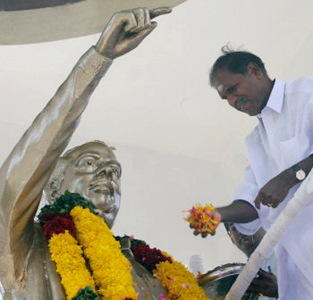
On 96th Birth
Anniversary- R. Kannan,
15 September 2005 "..Today is the 96th birth
anniversary of Anna. His sense of mission, his
simplicity, compassion, and talents may seem
outmoded. But so long as human values remain a worthy
goal, his legacy will be relevant..." more
On Anna- A.S.Venu "The
Guinness Book of records has it that the funeral of
�Anna� was attended
by the largest number of people in the world. I was
closely associated with him from 1936 to
1969.."
On Anna - S.G.Manvalaramanujam-
Former V.C., Annamalai University "It is appropriate
that the speeches and writings of the wonder-man of
the South who made political history in the brief
span of there decades as the author, and builder of a
reformist part-political and social-should be made
known to a much larger reading public. His political
and reformist speech were made mostly in his native
tongue of Tamil in which developed a new style of
oratory and eloquence � a style
pleasing and captivating to the masses
� a new style now characteristic of
the party and his followers. It is gratifying that
these Tamil speeches will rendered into English but
it is no easy task to bring out his easy flow and the
alliterative character of his speeches."
Perarijnar Annadurai on Independence - "It is
we who make the
nation"
"India is a continent;
it should be divided into a number of countries.
The continent of Europe has 32 independent
countries. No one argues that it should be a
single country ruled by a single government.
Similarly there is no need for India to be under
a single government... Aryan influence increases
within a single country called India. Welfare of
the other races is crushed under Aryan rule.
Uniting different races (nations) under a single
country leads to rebellions and troubles. In
order to prevent such troubles and bloodshed in
India, we should divide India according to racial
(national) lines now... Even during the days of
the emperors Ashoka, Kanishkar, Samudra Gupta and
Akbar, India was not a single country.
If India is divided
into many countries, each country could develop
its economy according to its circumstances. It
would also put an end to one region robbing the
resources of another. All races (nations) can
achieve equality only if each race (nation) has
its own country and government. We fear the
thought of one race (nation) living under the
rule of another. This fear gives birth to violent
rebellion. It is necessary to divide India
racially (nationally) to prevent such violent
revolutions. The reason one race (nation) has not
choked another race (nation) to death in India so
far is the British guns. When the British leave,
India will become a killing field [unless it is
divided into different countries on racial
(national) basis]." Annadurai at the Dravidar Kazagam State
Conference in Tiruchi in the 1940s (Translated
from Tamil to English by Thanjai Nalankilli)
Tamil Tribune
"If Anna's
Dravidian nationalism has to be counted as a
failure, then the Gandhian, Rooseveltian and
Leninist-Stalinist ideals also have met the
same fate in their places of origin. However,
Gandhian ideals were picked up by Martin Luther
King Jr. in America and these led to
advancement of civil rights for Blacks in the
1960s. The liberal-democratic ideals of
Roosevelt got rooted (however imperfectly) and
supplanted the existing feudalistic social
arrangement in Japan. Even the
Leninist-Stalinist ideals found roots in Cuba
under the leadership of Fidel Castro in 1959
and is still not supplanted, despite aggressive
bullying by Yankee capitalism. Similarly,
though Anna's ideology of a 'separate state for
Tamils' became a lost cause in India, it did
become a rallying cry for the younger
generation of Eelam Tamils in mid-1970s.
Thus, Anna's legacy lives in Eelam."Annadurai's Legacy lives in
Eelam - Sachi Sri Kantha
[see alsoFor Province
Read Nation, Pramatha
Chaudhuri, 1920 "It is not a bad thing to try and weld many
into one but to jumble them all up is dangerous,
because the only way we can do that is by force.
If you say that this does not apply to India, the
reply is that if self determination is not suited
to us, then it is not suited at all to Europe. No
people in Europe are as different, one from
another, as our people. There
is not that much difference between England and
Holland as there is between Madras and Bengal.
Even France and Germany are not that far
apart. If some of our politicians shudder
at the mention of provincial patriotism, it is
because their beliefs smack of narrow national
selfishness."]
"ANNA" as
he was endearingly called by millions of
Tamilians, was born at Kancheepyram, in a
lower middle calss family, on 15th September
1909.
After completing his education in the
Pachaiappa's High School, Kancheepuram, he
joined the Pachiappa's College, Madras from
which he graduated. Even as student, he had
reputed action for oratory in Tamil and
English, and a flair for journalism. He was
the editor of the "Bala BHarati" and later
the "Nava YUvan", Tamil weeklies published in
Madras. He also served as Sub-Editor of the
"Justice", an English daily and was on the
editorial staff of the "Viduthalai", Tamil
weekly of Erode, published by Periyar
E.V.Ramaswami Naicker, leader of the Dravida
Kazhagam.
In 1942,Thiru C.N. Annadurai started his
own weekly, the Dravida Nadu, and developed a
distinct style of his own. He also edited the
Tamil weekly "Kanchi", He was as fluent,
scholarly and versatile in English as in
Tamil. In 1957, he started an English weekly,
the "Homeland" and in 1966 founded another
weekly, the "Homerule".
He wrote stories. He was considered to be
the doyenamong dialogue-writer, renowned for
his catchy and flowery descriptive passanges
and conversational pieces. He also acted on
the stage.
As an orator, few could equal Thiru
Annadurai. He could whip up the emotions of
vast audiences, and could also pacify
agitated crowds. He made full use of this
gift in the interests it was a mammoth crowd
that thronged the sands of Madras beach to
hear him in Tamil, or a select audience
pressing to get seats in the front rows of a
public hall bound for hours by his oratory
which abounded in wit, sarcasm and
humour.
Thiru Annadurai had a genius for
oraganisation. Along with Periyar, he was
responsible for the consolidation of the
Justice Party, later renamed as the Dravida
Kazhagam split and the majority followed
Thiru Annadurai who founded the Dravida
Munnetra Kazhagam. In 1957, the Dravida
Munnetra Kazhagam contested the General
Elections, Thiru Annadurai contested from the
Kancheepuram constituency and won with a
large majority.
His speeches on the floor of the House as
Leader of the D.M.K. Legislature Party had a
great impact. In February 1967, he was
elected to the Lok Sabha from the South
Madras Parliamentary Constutuency and
subsequently to the Madras Legislative
Council from the Madras Local Authoritis
Constituency in April 1967.
In the Fourth General Elections held in
February1967, the D.M.K. under the able
leadership of Thiru Annadurai succeeded in
capturingall the seats in Parliment for which
it had fielded candidates.
Thiru Annadurai was elected leader of the
D.M.K. Legislature Party and became the Chief
Minister of Tamil Nadu. During the two years
of his Chief Ministership he earned universal
respect, and his sobriety, simplicity and
sincerity won the esteem and affection of
all.
He had the interests of the common man at
heart and he was a friend of the poor and the
working classes, and his 'rupee-a-measure of
rice scheme' was one of the measures which
bore testimony to this. His interest in, and
love for, Tamil and Tamil literature was
high-lighted by the great success of the
World Tamil Conference held in Madras in
February 1968.
He proceeded on a world tour as an invitee
of the Yale University's Chubb Fellowship
Programme and was also a guest of the State
Department in the U.S.A. in April-May 1968.
He was awarded the Chubb Fellowship at Yale
University, being the first non-American to
receive this honour.
Anna at Yale University
Thiru C.N. Annadurai passed away in the
early hours of 3rd February 1969. With his
passing, the country has lost a great patriot
and leader. On the First Anniversary of his
passing, the Posts & Telegraphs
Department feels privileged to bring out a
special stamp as a tribute to his memory.
Stamp Issue
Date
:
03/02/1970
Postage
Stamp Dinomination
:
0.20
Postal Stamp
Serial Number
:
0607
Philatelic Stamp
Description
:
The design of the
stamp is vertical and depicts autographed
portrait of Tiru C. N. Annadurai.
Maatran Thottathu Malligayilum manam undu மாற்றான்
தோட்டத்து
மல்லிகையிலும்
மணமுண்டு
Ventha punnil velai paichatheer வெந்த
புண்ணில்
வேலை
பாய்ச்சாதீர்
Satta Sabayil Thappu Thalangal podatheer சட்ட
சபையில்
தப்பு
தாலங்கள்
போடாதீர்
Banumathi onrum padi thaanda pathini alla,
naanum mutrum thurantha munivanum alla. பானுமதி
ஒன்றும்
படிதாண்டா
பத்தினி
அல்ல,
நானும்
முற்றும்
துறந்த
முனிவனுமல்ல
Thedi chelvathillai, naadi vanthaal
viduvathillai. தேடிச்
செல்வதில்லை,
நாடி
வந்தால்
விடுவதில்லை
�இந்த
நாட்டிலே
நம்மவர்
வீடு
கட்டுவர்,
அதிலே
பல
அறைகளும்
அமைப்பர்.
மாட்டுக்கொட்டகை
ஒரு
பால்,
பொக்கிஷ
அறை
ஒருபால்,
சமையலறை
மற்றொருபால்
. . .
மற்றெதை
மறக்கினும்
ஆண்டவனுக்குப்
பூசை
செய்ய
அறை
அமைக்க
மட்டும்
மறவார்;
ஆனால்
அறிவூட்டும்
ஏடுகள்
நிறைந்த
படிப்பறையைப்
பற்றிய
பகற்கனவும்
காணார்.
படிப்பறை
மிகவும்
முக்கியமானது.
அவசியமானது.
அலட்சியப்படுத்தக்
கூடியதன்று.
ஆயினும்
அது
அவர்தம்
சிந்தனையில்
தோன்றாது�
�எனக்கோ
'எதையும்
தாங்கும்
இதயம்
வேண்டும்'
என்ற
கவிதை
மனப்பாடம்�
தம்பிக்கு
கடிதம்
24.07.1960
�சட்டியில்
காய்கறி
வேகுகிறது.
அடுப்பின்
வெப்பத்தை
சட்டி
தாங்கிக்
கொண்டு
வேண்டிய
வெப்பத்தை
மட்டும்
கொடுத்து,
காய்கறி
வேகுகிறது.
தலைவன்
சட்டியைப்
போன்றவன்.
எதையும்
தாங்க
வேண்டும்.�
கைதி
எண் 6342, 14.03.1964.
"
கழகத்தின்
சார்பில்
எடுக்கப்படும்
எந்த
முடிவும்
நான்
என்னிச்சையாகவோ
எனக்கு
ஏற்படக்கூடிய
விருப்பு
வெறுப்பினை
மட்டும்
கணக்கிட்டோ
மேற்கொள்வதில்லை
என்றாலும்
எனக்கென்று
ஏதேனும்
ஒரு
விருப்பம்
எழுகின்றது
என்றால்
அதை
நிறைவேற்றிவைக்கும்
விருப்பம்
கழத்தினர்
சிலருக்கு
இருப்பதில்லை
என்பதை
பல
சந்தர்ப்பங்களில்
நான்
உணர்ந்து
வருகிறேன்.
உணர்ந்து
என்ன
பயன்?
காரணம்
என்ன
என்று
ஆராய்வதிலேதான்
என்ன
பயன்?
நிலமை
இவ்விதம்,
அவ்வளவுதான்."
தம்பிக்கு
கடிதம்,
15.11.1964.
" A man had two dogs - a big one and a small one.
He wanted his dogs to go in and out of the house
freely without him having to keep the house door
open all the time. So he built two "trap doors" -
one big trap door for the big dog and one small
for the small dog. Neighbours who saw these two
doors laughed at him and called him an idiot. Why
put a big door and a small door? All that was
needed was the big door. Both the big and the
small dog could use it!
Indian government's arguments for making Hindi
the official or link language of India are as
ridiculous as the need for a big door and a small
door for the big dog and the small dog. Indian
government agrees that English is needed for
communication with the world, and every school in
India teaches English after the fifth grade. Then
the Indian government says that all of us should
know Hindi also in order to communicate amongst
ourselves within India. I ask, "Since every
school in India teaches English, why can't it be
our link language? Why do Tamils have to study
English for communication with the world and
Hindi for communications within India? Do we need
a big door for the big dog and a small door for
the small dog? I say, let the small dog use the
big door too!"
more
பேரறிஞர்
அண்ணா -
Biography at
Government of Tamil Nadu
எளிய
குடும்பத்தில்
பிறந்து,
நல்ல
மாணவராக,
ஆற்றல்
மிக்க
பேச்சாளராக,
சிறந்த
பத்திரிக்கை
ஆசிரியராக,
நல்ல
நூலாசிரியராக
, நாடக
ஆசிரியராக,
நாடக
நடிகராக,
ஒரு
பேரியக்கத்தின்
தலைவராக,
பண்பட்ட
அரசியல்வாதியாக,
நாடு
போற்றிய
முதலமைச்சராக,
ஓங்கு
புகழ்
பெற்றவர்
பேரறிஞர்
அண்ணா
அவர்கள்.
திராவிட
நாடு,
ஹோம்
லேண்ட்,
காஞ்சி,
ஜஸ்டிஸ்,
குடியரசு,
நம்நாடு,
பாலபாரதி,
நவயுகா,
ஹோம்
ரூல்,
போன்ற
பத்திரிகைகளின்
ஆசிரியராக
விளங்கியவர்.
சிங்கப்பூர்,
மலேசியா,
தாய்லாந்து,
ஹாங்காங்,
கம்போடியா,
ஜப்பான்,
அமெரிக்கா,
ஆகிய
நாடுகளில்
பயணம்
மேற்கொண்டவர்.
விலைவாசி
உயர்வு
எதிர்ப்பு
மறியல்
போராட்டம்,
மும்முனைப்
போராட்டம்,
கட்டாய
இந்தி
பதினேழாவது
மொழிப்
பிரிவு
சட்ட
நகல்
எரிப்புப்
போராட்டம்
என பல
போராட்டங்களில்
ஈடுபட்டு
சிறை
சென்றவர்.
1967ஆம்
ஆண்டு
முதல் 1969
வரை
தமிழ்நாட்டின்
முதலமைச்சராக
இருந்த
காலத்தில்
சென்னை
மாநிலத்தை
தமிழ்நாடு
என்று
அழைக்க,
அரசியல்
சட்டத்தில்
உரிய
திருத்தம்
செய்ய
வகை
செய்தவர்.
சீரும்
சிறப்புமாக
இரண்டாம்
உலகத்
தமிழ்
மாநாட்டை
சென்னையில்
நடத்திக்
காட்டியவர்.
தாய்மொழி
தமிழ்,
உலக மொழி
ஆங்கிலம்
ஆகிய
இருமொழித்
தீர்மானத்தை
சட்டப்
பேரவையில்
நிறைவேற்றச்
செய்தவர்.
கலப்புத்
திருமணத்திற்கு
சட்ட
அங்கீகாரம்
அளித்தவர்.
மேடைப்
பேச்சுக்கு
இலக்கணம்
வகுத்தவர்.
அரசியல்
நாகரிகத்தைக்
கடைபிடித்தவர்.
தமிழ்,
தமிழர்,
தமிழ்நாடு
உயரவும்,
இளைஞர்கள்
எழுச்சி
பெறவும்,
தூங்கிக்
கிடந்த
தமிழர்களைத்
தட்டியெழுப்பி
விழிப்புணர்ச்சி
ஊட்டவும்,
காலமெல்லாம்
தம்
எழுத்துக்களைப்
பயன்படுத்தியவர்.
பேரறிஞர்
அண்ணாவின்
புகழுக்குப்
பெருமை
சேர்க்கும்
வகையில்
அவர்
வாழ்ந்த
காஞ்சிபுரம்
இல்லம்
நினைவு
இல்லமாகவும்,
சென்னை
மெரினா
கடற்கரையில்
சந்தனப்பெட்டியில்
உறங்கிக்
கொண்டிருக்கும்
அவரது
உடல்
பேரறிஞர்
அண்ணா
நினைவிடமாகவும்,
வேலூரில்
உள்ள
அரசு
திரையரங்கம்
அண்ணா
கலை
அரங்கம்
என பெயர்
சூட்டப்பட்டும்
போற்றிப்
பாதுகாக்கப்பட்டு
வருகின்றது.
From 1934 to
1968 Dr. C. N. Annadurai, with his niagaral flow,
alliterative style, devastating arguments, ardent
championship of Tamil Renaissance, was the darling
orator of Tamilnadu. As the lieutenant of Periyar E.V.Ramasamy, he
ceaselessly worked for the establishment of a
casteless, classless society.
His Tamil Professor in Pachaiappa's College, Mosur
Kandasami Mudaliar, by a skilful presentation of
choice passages from the Sangam literature,
instilled in him an ardent desire to study the
masters from Tholkappiyar to Maraimalai
Adigal. Anna, with his admirable insight, keen
perception and penetrating analysis, grasped the
glories of Poompuhar, the early sea-faring saga of
the Tamils, the heroic deeds of Cheran Senguttuvan,
the magnanimity of Kumanan, the heroines of Agam,
the heroes in Puram, the craze in Rome and Egypt
for the pearls and ' ahil ' of Tamilagam and the
great influence wielded by poets like Kapilar and
Avvaiyar.
Anna was very much moved by the pathetic plight to
which his great people had been reduced. The heroes
of Purananuru considered it rank cowardice
to even bat their eyelids on seeing an oncoming
spear. The Tamils of Anna's days withdrew at the
mere sight of a cat crossing their path ! The
sangam poets depicted the valour of Tamil warriors
who never bowed down to the foes. The Tamils in
Anna's days prostrated before alien godmen who
mumbled in an alien tongue.
The conquerors of the Sangam age had been reduced
to coolies who were the victims of leeches in
plantations. Young Anna was determined to instil a
sense of self respect into his people. He became an
ardent exponent of a twentieth century
Mohenjadaro.
In 1934, he met Periyar in Tiruppur and was completely
won over by the Socrates of the South. From
thereon, Anna wielded his powerful tongue and pen
to disseminate the ideas of Periyar.
Anna's Tamil writings and speeches, and his
espousal of the cause of a fallen people,
completely captivated the younger generation. His
influence will last as long as Tamil lives. As the
architect of Dravidian destinies, as the statesman
who impressed Pandit Nehru with his maturity and
sobriety, as the affectionate elder brother with
the big heart, as the ideal chief minister who bled
for the lowliest of the low, as the ambassador of
Tamil good-will to Yale, and as the finest flower
of Tamil culture, loved by the Tamils everywhere,
he will take rank in history as the great savant
from Kanchee.
As Anna distilled the essence of pure Tamil
literature into his heady wine of eloquence, I was
his close admirer from 1937. By his lucid
presentation, superb marshalling of facts, packing
punch in well chosen epithets, coining apt
statements which have enriched Tamil, by telling
sayings which have gained wide currency, by shafts
of humour which sparked off salvoes of applause, by
the sweet resonance and timbre in his voice, Anna
mesmirised the Tamils. Those who came to scoff
remained to listen. Even his opponents tried to
imitate his alliterative style which still sets the
pattern for all orators in Tamil. Periyar's steel
became shimmering Kanchi silk in Anna's
speeches.
Anna took Tamil, enslaved in the tomes of
jawbreaking, puritan scholars to the Tamil masses,
and created a great urge for good, chaste simple
Tamil. Anna made Tamil sweet to ears that were
attuned to English. Tamil slowly replaced English.
The Tamils were made conscious of their great
heritage. Tamil oratory, drama, writing and
films secured patronage. Anna made the Tamil youth
firebrand champions of social reform. Anna
attracted, shaped and moulded a gallant band of
writers and orators.
Anna addressed the Tamil Writers' Association in
the early forties. Eminent writers like Va. Ra.
were thrilled by his eloquence. Anna's lectures to
college literary societies .... drew praise from
the presiding Tamil Professors. Anna's vivid
portrayal of the classics, rationalist emphasis and
praise of great scholors like Maraimalai Adigal,
won him batches of dedicated youngsters.
Anna mastered Kambaramayana. He held that Kamban
had extolled Rama to the detriment of the Tamils.
On this fiery issue he debated with two great
scholars, Sollin Selvar Sethu pillai and Navalar
S.S. Bharathiar. As the able lieutenant of Periyar,
he countered the arguments of great scholors like
Thiru V. Ka.
In the first Anti-Hindi movement in 1938, Anna
fought along with great Tamil scholors. In jail, he
studied thoroughly "Abhidhana Chinthamani ", the
inimitable encyclopaedia.
Anna's contributions to Tamil, as a writer, are
voluminous. Two theses, one on his dramas, by Dr.
R. Janarthanam, and the other by Dr. Sethu, on his
short stories, have come out. Many theses are bound
to follow. Foreign scholors like Dr. Asher of
Edinburgh have made a deep study of Anna's works.
Dr. M. S. Udayamurthy and Dr. Muthu Chidambaram
have popularised Anna in America.
Anna's journalistic writings have been spear-heads
in the spread of Periyar's ideas, moulders of
opinion in support of the Dravidian renaissance,
magnetic in attracting the youth to the battle for
mother-tongue. As editor of " Viduthalai" and "Kudi
Arasu ", Anna wrote reviews, editorials, articles,
satires and short tories. As a young lad of thirty,
under the direct guidance of the lion-hearted
Periyar, Anna lashed out against the monopolists
and reactionaries. He challenged the old order,
lambasted the charlatans and exposed their
political myopia. This was in the 30's.
In 1942, Anna launched his weekly, " Dravida Nadu
". As I was Anna's affectionate younger brother, I
used to go to Kanchee often. I was just 22, a fiery
orator, petted and patted by Anna. I saw Anna
writing far into the night, sheet after sheet, in
his round hand, without any correction, myself
picking them up one by one, eagerly lapping up the
contents. By studying his weekly, intoxicated by
his radical speeches, I used to purchase 10 or 12
copies of " Dravida Nadu " in my town and
distribute them to students urging themto read
through the contents, hoping to convert them to the
movement.
College students steadily became avid readers of
"Dravida Nadu". Even the opponents stealthily
lapped up his " Roman Queens ". Anna gave a rich
fare. Dravidian glories were depicted. The call to
reason by quoting Valluvar, Vallalar and Vemana,
had very good effect. The very titles were
breathtaking. " Beautiful statute-minus the head ",
" Rinsing with Tiger's milk ", " Amery's Akbar Puja
", " The Bat's predicament ", so on.
Lampoons, satirical hits, Kambarasam doses, racy
editorials, references to Emile Zola, Walt Whitman,
Abraham Lincoln, Angelina, Lenin and Stalin, all
made the weekly the most sought after, the most
quoted and the proudest possession of the Dravidian
dynamos.
Later Anna had his weekly "Kanchee". That weekly
had, as its main attraction, his letters to his
younger brothers (Thambikku). These letters were
his clarion-call, observations on current affairs,
penpictures of the leading personalities of the
day, replies to attacks from Periyar, Kamaraj and
other parties.
Anna's special articles during Pongal were poetic
in their conceptions, cameos of Tamil valour, gems
of the ideal scenes of the days of Kerikala and
Raja Raja.
Anna encouraged young writers - Comrades Vanan,
Dasarathan, Kalaignar Karunanidhi, Arangannal,
Thillai Villalan, Radhamanalan, Ezhathu Adigal and
Kanchi Kalyanasundaram - all scintillating stars in
the Anna galaxy! Anna had great respect and
admiration for Bharathidasan,
the ace poet of his movement. He presented him with
a purse in 1946 and often quoted him.Anna was very
magnanimous even to opponents. He readily
recognised the talents of Va. Ra., Khandekar,
comrade Jeevanandam and Ma. Po. Si.
So, from 1934 to 1968, Anna was the Voltaire of the
Dravidian movement, the Ingersoll of the
self-respect movement.
Anna's contributions to oratory and journalism are
outstanding. People used to purchase tickets for
his special meetings, travel hundreds of miles,
walk 10 to 12 miles, to hear him. Anna usually came
very late. Normally he spoke for 40, 45 minutes.
But from first to last, he held the people spell
bound, moving them to heights of feeling, producing
peals of laughter, mesmerising them with his
matchless eloquence. It is very moving, even now,
to hear Anna's voice, in tapes. Easily he is the
best orator Tamilnad has produced. He took Tamil to
the masses and enthroned it in Fort St. George. His
crowning act was the naming of the then Madras
State as " Tamilnadu ".
Bound volumes of his Weekly are trend-setters,
models, an inspiration for generations to come.
They are the thoughts of our Garibaldi, whose
golden heart would shine through the ages.
Anna's contributions to Tamil as film, script,
story, dialogue writer are substantial. Anna, in
order to popularise his ideals, utilised these
media very effectively. His first drama "
Chandrodayam " was thematic. He formed a troupe in
Kanchi in his "Dravidanadu " office and gave roles
to his comrades C. V. Rajagopal, K. Subramaniam and
Ezhathu Adigal. He took the leading role of
Dorairaj himself. His " Nallathambi " and "
Velaikkari " were fine film hits. " Velaikkari "
and 'One Night" with K. R. Ramasami in the lead
were staged in Thanjavur for many months. Anna's
dialogues were so superb, telling, magnetic and
effective that Kalki Krishnamoorthy compared them
to Shaw and Ibsen.
Anna's great historical drama, " Shivaji's Hindu
Raj " was sensational. It pinpointed the dominance
of Kaka bhatta, the Varanasi Priest over Sivaji,
the great ruler. Anna as Kakabhatta and Mr. V. C. Ganesan as Shivaji, held the
audiences spell-bound. Anna's dialogues in
"Sorgavasal" exposed the machinations of the Hindu
Rasputins. In 'Needhi Devan Mayakkam' Anna's
cross-examination of mythological heroes is
breath-taking. Anna's camp was proud of cine actors
like M. G. R., Sivaji Ganesan, S. S. Rajendran,
K. R. Ramasami and D. V. Narayanasami.
As chief minister, Anna convened the World Tamil Conference in 1968.
Anna's address to the delegates was very moving.
Anna's versatile genius enthroned Tamil in the
hearts of the Tamil people the world over.
Participants of the Fifth World Tamil Conference
will remember him with gratitude.
Conjeevaram Natarajan
Annadurai, endearingly called
�Anna� (elder
brother), was born on 15 September 1909 in a Hindu
lower middle class family of the weaver community at
Kancheepuram, the famous city of temples near Madras.
Her father Natarajan was a handloom weaver. His
mother�s name was Bangaru Ammal. Her
younger sister Rajamani Ammal was the foster-mother
of Annadurai. She brought him up and educated him
from the elementary school to the College. In 1930,
while still a student, he married Rani who came from
a suburb of Madras. The couple had no offspring and
Annadurai later adopted the four grandsons of his
elder sister.
Annadurai had his early education at the
Panchiyappa�s High School at
Kancheepuram and completed his School Final in 1929.
He had to break his studies for a while on account of
financial difficulties and worked as a clerk in the
Local Municipal Office. He later joined the
Panchaiyappa�s College, Madras, and
passed the Intermediate Examination in 1931.
Continuing his studies in the same College he
obtained his B. A. Honours and then M. A. degree in
Econimics and Politics (1934).
After his M. A. he worked as a teacher in a
Panchaiyappa School for nearly a year, and then
turned to journalism and politics which became his
principal field interest in later life.
In his early life he was associated with the South
Indian Liberal Federation, the organisation of the
non-Brahmins, founded in 1917 by Sir P. Theagaraya
and Dr. T. M. Nair. It was popularly known as the
Justice Party after the name of the
Party�s English daily. Annadurai
served as sub-editor of the Justice. As an active
member of the Justice Party, he was opposed to the
Congress Party. During this period he once contested
the election to the Madras City Corporation but
lost.
Annadurai was deeply interested in the conditions of
the poor and the down-trodden and organised small
labour unions. In this field he was greatly
influenced by two Communist leaders, M. Singaravelu
and C. Basudev. He first met the iconoclast and
agitator Periyar E. V. Ramaswamy in 1934 at Tiruppur
(Coimbatore District) at a Youth Conference and was
immediately attracted to him. Even after the parting
of ways starting of the DMK in 1949, Annadurai
continued to be magnanimous enough to acknowledge
openly that the leader whom he met early in his life
was his one and only leader.
As a stormy petrel of the Justice Party, Annadurai
was arrested during the first Rajaji Ministry for
taking part in the anti-Hindi campaigns. After
release he became the editor of the Viduthalai under
the aegis of Periyar at Erod. He was also associated
with the Tamil weekly Kudi Arusu. In 1942 he started
his own weekly, the Daviddnadu, and developed a
distinct style of his own. In 1949 he assumed the
editorship of a Tamil daily, the Malai Mani, started
to propagate the cause of the Dravidian Progressive
Federation (DMK).
He also edited till 1967 another Tamil weekly, the
Kanchi. Annadurai was a good writer in English as
well. In 1957 he started an English weekly, the
Homeland, which continued for a few years. In 1966 he
founded another English weekly, the Home Rule.
Annadurai had great interest in literature also, and
early made his mark as a playwright and writer of
short stories. Social reform and championing the
cause of he exploited class were the principal themes
of his stories and plays.
By slow degrees and relentless efforts Periyar and
Annadurai provided a mass-base for the Justice Party
which had been confined to a small class till then.
They infused the party with radical ideas. Their
efforts were crowned with success at the
Confederation of the Party held at Salem in 1944,
when the Party was renamed as Dravida Kazhagam
(Dravidian Federation). At the same time the party
dropped its pro-British attitude. These changes
attracted the student community and soon the party
came to have a wider following. Particularly among
the young.
Though a follower of Periyar, Annadurai did not
hesitate to differ with him sharply when the occasion
arose. Periyar essentially a separatist, and when
independence came, he wanted 15th August to be
declared a day of mourning for the Dravidians.
Annadurai, on the other hand, was keep on preserving
national unity, although fighting for the due rights
of the Dravidians within the national political
framework. The split came in September 1949 when the
majority of the Dravida Kazhagam under
Annadurai�s leadership started the
Dravida Munnetra Kazhagam (Dravidian Progressive
Federation).
The DMK conducted agitational campaigns against the
Congress rule in Madras, Hindi domination and
spiralling of prices. The party soon became a
formidable political force in Madras, and in 1957
secured a sizable number of seats in the Madras
Legislative Assembly. In 1962 Annadurai was elected
to the Rajya Sabha where he strongly opposed the
imposition of Hindi as the sole official language of
the Union. In 1965 he led the Anti-Hindi agitation in
Madras. In the 1967 General Election the DMK Party
obtained an absolute majority in the Madras
Legislature and formed the first DMK Government, with
Annadurai as the Chief Minister.
As chief Minister for about two years Annadurai
showed great statesmanship and did much not only to
introduce needed reforms in Madras but also to make
the voice of South India heard and appreciated at
seat of the Central Power. He was never against the
political unity of India but he insisted that the
unity would be best preserved by granting the
greatest amount of autonomy to the States.
In 1965 and again in 1968 he travelled widely in
Asia, Europe and America. In September 1968 he went
to America again for medical treatment. He had
cancerous growth in the gullet. He underwent two
surgical operations in America and India which could
not cure him. He breathed his last in the midnight of
February 2-3, 1969. The mortal remains were laid to
rest under the Marina sands.
Annadurai had his roots deep in the land of his birth
and its culture. He was always dressed in simple
South Indian style and presented a picture of
tenderness. He was austere and quiet, but strong and
dynamic when occasion needed. He had contempt for
ceremonials and superstitions but was tolerant to
other men�s views. A statesman and a
scholar, a litterateur and a social reformer, a mass
leader and a friend of poor, Anna will be ever
remembered specially as the maker of the new
Tamilnadu.
Aringnar Anna
on Name
Change of Madras State to Tamil Nadu, May
1963
[Debate in Rajya Sabha in
May 1963. DMK Founder Aringnar Anna ultimately
changed the name of Madras State as Tamil Nadu
and fulfilled the centuries old desire of the
Tamil Nation on his becoming the Chief Minister
of Tamil Nadu in 1967. In 1963 he spoke in
Parliament on the question of renaming Tamil
Nadu. Courtesy: Dravida Peravai]
Annadurai -
Mr. Vice Chairman, I am rarely
in full agreement with my friend Mr.Bhupesh Gupta,
but today I rise to support him whole-heartedly,
fully and sincerely. The only weakness of the Bill
is that it is a non-official one. I would have
liked an official Bill to be brought forward for
this very necessary and very simple thing that
would have satisfied millions of Tamilians in Tamil
Nadu.
Many arguments that were
advanced against the Bill brought forward are
perhaps more due to the colour of the mover rather
than the arguments advanced for its support. One
Honorable Member was saying that he was not moving
a Bill, which the Madras State has asked him to
move. I regret very much that sometimes it becomes
necessary to explain some rudimentary
principles.
The Madras Government will
never ask a non-official Bill to be brought forward
on its behalf. If the state government wants the
Bill to be brought forward, there are the state
representatives in this Assembly and they would
have brought it forward, and therefore, to say that
the Bill cannot be supported just because the
Madras Government has not asked Mr.Gupta to bring
the Bill shows that their only argument to fight
against the Bill is that their party or their State
Government has not instructed them to act in this
way.
I can well understand the
political tremor in their hearts, but that is no
argument against this Bill. The arguments advanced
by the sponsors of the Bill for renaming Madras as
Tamil Nadu have not been answered by any one of the
speakers who spoke about it.
Sheel Badra Yajee: I
have answered it.
Anna: I cannot
understand- I very rarely understand- your language
and, therefore, I do not know whether there is
logic or not but I would say that some of the
arguments advanced were not proper. One Honorable
Member was saying that there are Telugu knowing
people in Tamil Nadu, Malayalam and Kanarese
speaking people and, therefore, to name Madras as
Tamil Nadu will create a sort of tremor in their
hearts.
May I inform this House,
through you, Sir, that all these arguments were
advanced and shattered in my part of the country.
All these arguments did not stand the onslaught of
reason and logic. For the sake of informing this
House I may inform you Sir, that on 24th February
1961 the Leader of the House in the state assembly
stood up to say that he was accepting part of the
non official resolution brought forward not by the
DMK or any other political party which is
considered to be inimical to Congress, but by a PSP
[Praja Socialist Party]Member.
That PSP member brought
forward a non official resolution for renaming
Madras as Tamil Nadu and it was discussed many days
and finally the then Finance Minister and the
Leader of the House Mr.C.Subramaniam, stood up to
say that he was accepting a part or the spirit of
the resolution and added that thereafter all
publications of the Madras government would appear
in the name of Tamil Nadu Government.
It is in such a way that all
publications in Tamil in the Tamil Nadu government
are being printed and published. As a matter of
fact, after making the historic declaration on the
floor of the Madras assembly on 24 th February, the
very next day the Finance Minister had to present
his budget and in presenting the budget, the
opening words of the Finance Minister were: " In
consonance with the declaration made yesterday, I
am now presenting to budget for Tamil
Nadu."
Therefore all the arguments
that Telugu speaking, the Malayalam speaking, and
the Kanarese speaking people will be up against
this change in name fall to ground because part of
this has been accepted by the
Government.
The part relating to the
amendment of Constitution, the word Madras to be
deleted and the word Tamil Nadu to be inserted
was not accepted.
Therefore, even the Government
much less by the Madras Congress leaders cannot
accommodate the sentimental arguments advanced.
Sir, I am really surprised to see how ill informed
my Hon. friends are, those who advanced arguments
against the Bill. One Hon. Member stated here that
Kollegal is in Tamil Nadu. That Hon. Member
unfortunately not present in the House at present.
I may tell them and his friends may tell him, that
Kollegal today is part of Mysore. It has been taken
away from the composite State of Madras and after
the formation of linguistic states, has gone to
Mysore.
If my Hon. friend is so ill
informed about Kollegal, I am not surprised at his
arguments that nowhere in Tamil literature does the
word Tamil Nadu occur. A politician who cannot
understand that Kollegal does not form part of
Tamil Nadu cannot be expected to be conversant with
Tamil literature. For the edification of the House
and for his own edification, I will point out the
names of certain books wherein the word Tamil Nadu
is to be found.
These are books written 1800
or 2000 years ago. I am reading the name in Tamil
but the Hon. Member who made this allegation is a
Tamilian Congressman and he can understand and the
Hon. Deputy Minister who will be making the reply.
She being also a Tamilian may tell him. The names
of Paripaadal, Pathitrupathu and more popular names of
Silapathigaram and Manimegalai.
These are all Tamil classics written more than 1000 years
ago and in Paripaadal it is stated " Thandamizh
veli Thamizh Naatu agamellam" which means Tamil
Nadu that is surrounded by sweet Tamil on all three
sides. In Pathitrupathu, a classic written about
1800 years it is stated "Imizh kadal veli
Thamizhagam" meaning Tamil Nadu which has got sea
as boundary.
In Silapathigaram it is stated
"Then Thamizh nannadu" meaning good Tamil Nadu and
in Manimegalai it is stated"Sambutheevinul
Tamizhaga marungil " Tamil Nadu which is called
Sambutheevu.
If my Hon. Members would like
to have more popular illustrations I would like to
refer them to the poems of Poet Kamban and Sekkilar both of whom
have definitely used the word Tamil Nadu. It was
only afterwards that there were three kingdoms, the
Cheranadu, The Cholanadu and the Pandyanadu. Tamil Nadu is to be found
in the classics of Tamil. It is not that there is
poverty of ideas in the classics.
It only shows that my Hon.
friend does not spend much thought or time over the
Tamil classics. I may point out for the edification
of this House that when the Congress government in
Tamil Nadu purchased the Jaipur Palace at Ooty
known as Aranmore Palace they immediately renamed
the Palace as Thamizhagam.
I am pointing this out to say
that the Congress there is trying to assuage our
feelings, is trying to carry Tamil Nadu people
along with them by saying they have renamed the
Aranmore Palace as Thamizhagam, that they are
publishing all the Tamil manifestos as Tamil Nadu
Government publications, that only for
international correspondence they want the name
"Madras".
They are not prepared to
amend the Constitution. If the arguments advanced
by some of the Tamil Nadu Congress people were to
be read by the Chief Minister of Madras, he would
turn around and say "You too Brutus". All the
arguments advanced for not renaming it falls flat
on the ground because even the Congress Government
there does not approve of these
arguments.
Another particular issue was
raised here that the Bill is being brought forward
only as a publicity stunt of the Communist party.
Why don't we appreciate the Communist Party for its
sense of political expediency? Are not all
political parties interested in getting political
publicity? Is publicity a heinous crime? Why do you
publish reports and books on Five-year plans? Is
that not publicity done at public cost? Yet you
accuse other political parties saying that this is
publicity.
But let me tell this House
through you, that even though you defeat the Bill,
he has gained that publicity. You are not going to
rob him anymore of that publicity. When he comes to
Tamil Nadu he can conveniently face Tamilians and
say, "I pleaded for you but it is the ruling party
that let you down." Therefore you have unawares
walked into Mr.Gupta's snare. I would have
appreciated if the ruling party had approached
Mr.Bhupesh Gupta and stated, "Do not bring in this
non-official Bill, we ourselves are interested in
it, we will bring it forward."
Then Mr.Santhanam pointed out
that we have an uphill task in retaining Madras, we
had to fight with so many people and we retained
Madras. I can claim some amount of credit in that
fight and when I was in the thick of that fight, I
did not find Mr.Santhanam by my side.
Akbar Ali Khan: At the
cost of Andhra
Anna: With the consent
of the Andhras, I can say that. That is because the
present government there is providing even today,
in the border areas, measures for safeguarding
Telugu culture and for imparting Telugu language.
Therefore though Madras has been taken by
Tamilians, we have no enmity with the
Andhras.
But my friend Santhanam was
saying that it was such an uphill task, retaining
Madras that we would like to keep Madras. This is
not a question of keeping Madras or giving it up.
This is the question of keeping Madras in Tamilnadu
and renaming the state as Tamil Nadu. Madras, after
all is the capital city of Tamil Nadu, as
Ahamadabad happens to be the capital city of
Gujarat, as Chandigrah happens to be the capital
city of Punjab.
If this logic of naming the
state after the name of capital city is to be
followed, Kerala should be renamed Trivandrum,
Andhra is to renamed Hyderabad, Punjab is to be
renamed Chandigarh and Gujarat to be renamed
Ahamadabad.
Bhubesh Gupta: And
Bengal should be renamed Calcutta.
Anna: My government, my
Congress government in Madras is interested in
bilingualism. That is because its head Government
is interested to have two names for everything,
India that is Bharat, Jana Gana Mana and Vandhe
Madaram. They always want to keep two
blocks.
Take something from here, take
something from there. So the Madras government is
having Tamil Nadu for the consumption of Tamilians
and Madras for all India consumption.
It is a very awkward word
"duplicity". And that is why my friend Mr.Bhupesh
Gupta was saying that some of the congress people
talk in one way there and talk in another way here.
No Congress can face a Tamilian audience and say
that the name Madras should be retained. I
challenge it.
T.S.Pattabhiraman
{Madras}: We have faced it during the agitation of
Tamil Arasu Kazhagam and my friend knows it. What
he is saying is complete travesty of
facts.
Anna: I know how
Pattabhiraman faces agitation. I wont say it. Let
us not face each other as Congress and DMK. Let us
face the Tamilian public on this single sanctified
issue of renaming the state and if you carry along
with you 51 percent of the people I am prepared to
bow my head before you. This is not a party issue
at all. The renaming of Madras as Tamil Nadu has
been accepted by the Communist Party, by the DMK,
by the PSP and you will be surprised, by the Madras
branch of Swatantra Party too. Therefore all
parties are one in this issue of renaming Madras as
Tamil Nadu.
T.S.Pattabhiraman: None
of them put it in their election
manifesto.
Anna: I would present a
copy of the DMK election manifesto to him tomorrow.
I am sure Pattabhiraman knows Tamil. This issue has
been an issue for more than 10 to 15 years. He was
saying that only Tamil Arasu Kazhagam was fighting
for it. It is true partially because it was only
the Tamil Arasu Kazhagam that started an agitation
for it, but all other political parties were
immensely intimately interested in this
issue.
They have printed it in their
manifestos, in their political speeches and no
District Conference of DMK took place without
passing this resolution of renaming Madras as Tamil
Nadu. Therefore it is not simply on the spur of the
moment that I am pleading for it. My sorrow is that
my friend Mr.Bhupesh Gupta had stolen the thunder
from me by sponsoring this Bill. But for that, I
would like to present before this House that this
has been an issue all along in Tamil
Nadu.
And they have not answered
Mr.Bhupesh Gupta; What do you loose by renaming
Madras as Tamil Nadu? Nobody has answered
that.
N.M.Lingam [Madras]
Anyway what do you gain by renaming it as Tamil
Nadu?
Anna: What do I gain?
What have you gained by renaming Parliament as Lok
Sabha? What have you gained by renaming Council of
States as Rajya Sabha? What have you gained by
renaming President as Rastrapathi? Therefore I say
what do you loose? This is important because if you
were to loose something precious, we would not
press for it. If you do not loose something
fundamental, we will press for it.
The other point was raised,
what do you gain? We gain satisfaction
sentimentally; we gain satisfaction that an ancient
name is inculcated in the hearts of millions and
scores of millions of people. Is that not enough
compensation for the small trouble of changing the
name? Therefore all the arguments that have been
advanced have been shattered.
They have advanced an
apologetic argument saying that if the State
government had come forward with this, we would
have accepted this. And they are perfectly aware of
the composition of the State legislature where the
Congress party is in a majority. Would you ask the
Congress member in Madras State legislature to vote
for such a bill if it were to come there, without
party whip? No
T.S.Pattabhiraman: Your
party members could have brought forward a
resolution in the House and changed the name. Why
have you not done it for past seven or eight
years?
Anna: I am coming to
that. When we present such a bill to the Madras
legislature, they say that if you want to rename,
an amendment to the constitution is necessary and
an amendment of the Constitution is possible only
when you go to Parliament.
T.S.Pattabhiraman: I am
saying a resolution, not a Bill. A resolution can
be made.
Anna: I may say for the
information of the Hon. Member that we pressed this
point during the discussion on the non-official
Bill of PSP. In fact we even staged a walk out. The
DMK and Communist party joined together in the walk
out. That is our numerical position there. When the
non-official resolution was discussed in the Madras
assembly we pressed for the constitutional
amendment and the only explanation offered to us
was that it was only possible at the level of
Parliament. And when we come to Parliament we are
asked to go back to the state legislature. We are
asked to go to Parliament because you are
entrenched in both places not because your logic is
sound but simply because you are entrenched in both
places.
G.Rajagopalan [Madras]
We are entrenched because the people vote for us.
It has been discussed even during elections. There
had been fasts by certain members and one person
even lost his life after fasting. Even after that
we won elections. That shows the people still want
as it is- not for the satisfaction of some
politicians who want a slogan.
Anna: Madam Deputy
Chairman, I am very glad that the discussion is
becoming very interesting. But I may say for the
information of the House that DMK has nothing to do
with fasting. The fasting was undertaken by a
non-party man, in fact a relative of the Chief
minister of Madras Mr.Sankaralinga [Nadar}. And to
say that in spite of fasting you have not changed
shows how human you are. Therefore the question was
discussed there. We were asked to go to Parliament.
When we come to Parliament we are again sent back
to legislature. In both places the answer is as my
Hon. friend had stated, " The people had voted for
us". Well that is a fact, a tragic fact, and a
black fact that ought to be seen.
G.Rajagopalan: In spite
of you tragedy is still there
T.S.Pattabhiraman: He
says tragedy will be permanent. The tragedy of
Congress getting a majority at every election will
be a permanent feature and we are prepared to
accommodate you.
Anna: Madam Deputy
Chairman my friend was saying that this tragedy is
going to be permanent. Woe to the country and to
the people. That is all what I can say. But I would
like to press this point that a Constitution
amendment can be thought of and made only through
Parliament. That is why we have approached The
Parliament. If any amendment is brought forward on
this or any suggestion is given that it should be
circulated to gather public opinion, we take up
that challenge. I do not ask you to take this as an
election issue. Do not be afraid of
that.
[Interruptions]
We are not making it an
election issue. This is an issue to be taken to the
people for getting their consent or otherwise. That
is not going to affect your offices. Nobody thinks
about that. You may remain there. This is not a
question of analysis of our different parties. This
is a question wherein a particular issue has to be
referred to the public. Are you prepared for that?
That is what we ask. You are not prepared for that
and that is why I say
N.M.Anwar [Madras]
Madam on a point of information I have got the
highest respect and regard for my good friend
Mr.annadurai. But will he kindly explain what there
is in retaining the name Madras that has got such
worldwide publicity? How is he going to meet that
point of view? Where is the difficulty in retaining
this worldwide name of Madras?
[Interruptions]
Anna: The only point in
answer to the Hon. member Mr.Anwar is this. What we
gain is our sentimental satisfaction and status of
our ancient land. If in Madras we change the name
of China Bazaar into Nethaji Subhas Chandra Road
nothing is changed in the street but something is
changed in our thinking, in our soul, in our fibre.
That is why we are pressing for it. Not because we
think that keeping Madras will be wrong.
N.M.Anwar: My question
is not that. We agree that there is something good
in calling it Tamil Nadu. But what is your allergy
to Madras, which has got a worldwide
publicity.
Anna: My allergy is if
Madras is used as name of the state, you confuse
the capital with the state. Madras is the name of
the capital city. Tamil Nadu is the name that ought
to be given to the state. There ought to be a
distinction between the name of the state and its
capital, and therefore, I whole-heartedly support
the Bill brought forward and I would commend it to
the House.
Today is the 96th birth
anniversary of Anna. His sense of mission, his
simplicity, compassion, and talents may seem
outmoded. But so long as human values remain a worthy
goal, his legacy will be relevant.
THE NIGHT of March 5, 1967, C.N. Annadurai, known
better by his diminutive `Anna' or elder brother,
remained sleepless. There was reason to be excited.
He was to be sworn in Chief Minister of Madras State
the next day. But it was not his Dravida Munnetra
Kazhagam's flush of victory against the Congress
Goliath that kept him in that state. Anna explained:
"I was wide awake through the break of dawn. I
visualised huts, the faces of those in search of food
and those waiting in queues, with their legs aching,
before ration shops. I kept wondering how I could
remedy the situation. I could not fall asleep."
Anna opted for public life over a potential career to
serve. Office, Anna soon realised, was also a
sentence. Only 20 days into his new job, he wrote
dolefully: "I am already tired of my new ministerial
status filled with mirthless laughter, contacts
devoid of context and insipid conversations." He
wondered how Congressmen had spent 20 years in this
state.
Let us be clear. Anna was neither antipathetic to
power as an instrument nor averse to the
Machiavellian machinations that politicking entailed.
In fact, he parted company with his mentor E.V.
Ramasamy (Periyar) in pursuit of power. He possessed
great equanimity and a vision.
In his four decades of public life, Anna espoused
social justice, regional autonomy, and the interests
of Tamils and Tamil Nadu. As party leader, he felt
secure unlike many others in similar positions. While
nurturing talent and leadership within the party, he
remained faithful to democratic precepts
� staying clear of nominating an
heir even when he was afflicted with a serious
illness. In the end, the party witnessed an organic
choice in the election of `Kalaignar' M.
Karunanidhi.
The DMK was Anna's family. Partymen or thambis
(younger brothers) found their Anna at once awesome
and accessible. The thambis and their families began
to internalise Anna's successes and defeats as their
own, even as their elder brother instilled
self-esteem and Tamil nationalist pride in them. Anna
treated all thambis with equal affection although he
showed great judgment and foresight in tapping their
potential. He thus invited the genial `Navalar' V.R.
Nedunchezian, an Annamalai University graduate, to
take over from him as party general secretary. Early
on, a multifaceted Mr. Karunanidhi attracted Anna's
attention for his organisational and other abilities.
Anna also skilfully utilised the services of the
charismatic actor, `Makkal Thilagam' (the people's
darling) M.G. Ramachandran.
To one hailing from a modest family background, a
backward class scholarship brought a college
education in Madras. Drawn to public service and the
non-Brahmin ferment, Anna resigned his job as
schoolteacher and spurned other offers and
suggestions of employment. Anna's gifted oratory and
�lan in both Tamil and English
marked him out quickly. Together with Periyar, he
espoused rationalism, social justice, and an
independent south India (Dravida Nadu). A more
mellowed Anna, secular to the core, later described
himself as a Hindu sans the sacred ash, a Christian
minus the holy cross, and a Muslim without the prayer
cap. He was also to give up the Dravida Nadu demand,
although he had seen separation as a panacea and
believed that Pakistan's emergence would have a
domino effect.
Barely 40 years old, Anna had founded the DMK in
1949. The young leader beckoned `thazhntha
Tamizhagam' (the fallen Tamil nation) to rise to its
former splendour through his dazzling powers of
oratory and writing. Anna's plays, Chandrodayam
(Moonrise), Oar Iravu (One night) �
Anna literally wrote it overnight �
Velaikkari (Servant Maid), Sorgavasal (The entrance
to paradise) and Needhi Devan Mayakkam (The Judge's
dilemma), heralded a new era of social introspection
and revolutionised an entertainment industry long
captive to epics and legends. His script was no less
scintillating.
The poet, Bharatidasan, and the nationalist
journalist, Kalki Krishnamurthy, aptly called Anna
Arignar (scholar) with the latter comparing him with
playwright George Bernard Shaw. As Anna's genius
enlisted actors N.S. Krishnan, K.R. Ramasamy, Sivaji
V.C. Ganesan, D.V. Narayanasamy, S.S. Rajendran and
M.G. Ramachandran in the party's service, the
organisation grew in strength. It finally captured
power in a span of just 18 years.
But how has Anna's legacy fared since?
Institutionally, social justice �
Anna's main plank � remains strong.
The unanimous demand from political parties for
legislation to undo the effects of the recent apex
court judgment on affirmative action in
self-financing colleges is a classic case. In
practice, however, the sense of alienation of the Adi
Dravidas (Dalits) in Tamil Nadu and also elsewhere
appears to have accentuated. While the intermediary
communities and individual Dalits have shown social
mobility, a cross-section of them seems to feel
excluded despite the Dravidian parties' casteless and
social welfare moorings. The emergence of caste-based
and exclusive Dalit organisations is testimony that
Anna's vision of inclusiveness has not been fully
realised. Some parties seem to have reacted by
installing the depressed classes and women in senior
positions. Institutional arrangements
notwithstanding, it is time to de-emphasise
caste-based politics and vigorously promote social
reform.
Cooperation and opposition
Ironically, the proliferation of regional parties has
achieved little in securing more power for the
States. In Anna's native Tamil Nadu, the Congress
remains permanently emaciated. The Dravidian parties,
which between themselves have a two-thirds share of
the popular vote, remain the largest players. Despite
their long stint in power and their significant roles
in coalition governments at the Centre, their
influence is yet to fully translate into the State's
gains. Anna's political philosophy of "opposition if
necessary and cooperation where possible" is
eminently worth recall.
In retrospect, Anna's Dravida Nadu demand might be
interpreted as a carefully preserved negotiating
position for regional autonomy leading to a more
equitable distribution of power, wealth, and
resources between the Centre and the States.
Regretfully, however, the Sarkaria Commission
recommendations on Centre-State relations continue to
gather dust even as regional parties concentrate on
power-sharing at the Centre. Compare this with Anna's
disinterested response to Congress leader P. G.
Karuthiruman � the latter wondered
about Anna's reaction in the wake of speculation that
his Government might face punitive action for
excluding Hindi from government schools as part of
the DMK's two-language formula. Anna's response was
that he would tender his resignation and leave as
happily as when he had taken office. Today education
remains on the concurrent list (since its transfer in
1976 from the States' list, a post-Anna development).
Is anyone seriously interested in getting it back to
the State list?
Language was an important issue during Anna's time.
Some might argue it remains crucial even today. It is
important to note that Anna himself had an open mind
on the question, asking only for a home-grown
solution over a period of time. He wanted all
`regional languages' to have the status of national
languages. This is yet to become a reality.
Apart from practicalities, concerns about the quality
of education, governance, and integration remain. It
is surely a matter of satisfaction that civil
servants who did their exams in the `regional
languages' have proved just as able and committed as
has anyone else. Anna would have treated the question
of language as a personal one, leaving the choice in
the individual's hands. Besides, globalisation and
the Internet revolution seem to have taken the
political sting out of the language issue.
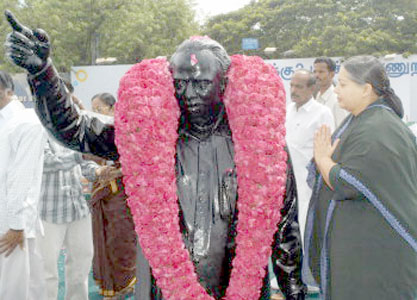
Thirtysix years on, Anna appears ubiquitous in Tamil
Nadu. His statues abound even as thousands of streets
and hundreds of institutions and buildings proclaim
his name, thanks to the efforts of those claiming his
legacy. Yet Anna remains at best a symbol. His
individual thambis and thangais (younger sisters) are
a generally prosperous lot. The elder brother,
however, might have found a large majority of them
otherwise poor. Anna's sense of mission, his
simplicity, compassion, and talents may look
outmoded. But so long as human values remain a worthy
goal, his legacy will be relevant �
he cared not for those who could help themselves, but
for those who needed help.
That
polymath Conjeepuram Natarajan Annadurai (Anna,
1909-1969) had been badly served by the
infighting of his beloved thambis
(lieutenants) is a curse to befall the Tamils.
One
usurped the reins of DMK, by back-stabbing
the designated heir apparent. Another one, peeved by the
power and stronghold of the usurper, then left
the party founded by Anna, and established his
own party, tagging to it Anna�s
name as a moniker. A few others, like poet
Kannadasan (1927-1981), who had
parted company with Anna while he was alive,
occasionally lamented on the magnanimity of Anna.
This being the birth centenary year of Anna and
the 60th anniversary year of the
founding of DMK by him, I bring to limelight some
items and issues that have eluded the Anna
scholars.
Poet Kannadasan�s
Lament
I
begin this Anna�s birth
centennial anthology series, with
Kannadasan�s lament on the last
days of Anna, and what he had watched first hand.
This material appears in the volume 2 of
Kannadasan�s posthumously
published autobiography Mana Vaasam (1988)
in Tamil. I have translated into English, the
chapter 28, entitled �Ithu
Thaan Jathakam� (This is the
Horoscope, pp. 192-197). Kannadasan had modestly
addressed himself in third person singular in
Tamil,
�Avan�
(He). Kannadasan�s passing
reference to �another
person� in this memoir is
self-explanatory and refers to the current Tamil
Nadu chief minister Karunanidhi.
�Anna wanted to see him,
but he had rejected it. Later, he thought about
it for long. �He had been
friendly with him. We also loved him. Whatever
the reason, he wants to see me when he is down.
If I reject this, it will be an
ingratitude�. After thinking
long, he picked up the phone; called Anna, the
chief minister.
I�ll come to see him
that night itself. Anna�s
assistant Mr. Gajendran who received the
message on phone had scheduled the time. That
night, he with R.S. Pandian and two more
friends, visited with Anna at his house in
Nungambakkam. Expecting him that night, Anna
had relieved his security that
night.
When he went in, Anna was struggling to
eat the white protein of one egg, while
coughing repeatedly. Anna asked him,
�How are you? Are all your
kids keeping fine.�
�We are all fine. How
are you Anna?� he
asked.
He said: �Nothing had
get set up�, while coughing.
For half an hour, he sat in front of Anna. Anna
couldn�t speak. Mr. Arangannal
came nearby to talk. Anna looked at his face
and sighed �Go
� Go�. After
a while, Anna looked at him and said,
�Still not feeling well. Can
you come tomorrow
evening?�
�OK
Anna�, he left. Returning
home, he wrote a letter in his Kaditham
paper, �God, Please help
Anna�. In that letter, he
wrote, �His life with cough is
full of complexities. Doctors have lost the
ability to save Anna. Hereafter, only God can
save Anna�.
Next evening, he heard that Anna had been
admitted to Adaiyar Hospital. Anna never bothered
about diseases and ill health. Until then, he
never took any pills; not a single injection.
Operation in America couldn�t
help. If death was the endpoint for that disease,
his body could have been cared like a flower
without shredding it.
In
this country, treatments that increase the pains
are numerous. Is Adaiyar Hospital the
Lord�s House?
It�s merely a place of rest, but
cannot protect the soul.
He
realized that Anna is nearing death. More than
him, another person got the message clearly. He
called that person and complained,
�What you�ll
have done?�
That person responded,
�What can we do? He
doesn�t listen to any of
us.�
If
the temple head priest falls ill, his
prot�g� will
break coconut to Lord Yama!...like
that.
He
couldn�t doubt that some were
anxiously awaiting for Anna�s
death. All the bigwigs of DMK from Tamil Nadu
landed at Adaiyar Hospital. Even near
Anna�s head-board, this
camp-grouping scene occurred.
In
the party, Anna was No. 1; Nedunchezhiyan was
No.2 among the ranking leaders. After
Anna�s death, this ranking was
to be disrupted.
Whether Navalar [Nedunchezhiyan] realized
it or not, he clearly grasped it. Only he could
know the horoscopes of some bigwigs of Kazhagam.
Even Anna had felt this. He wished that nobody
would disturb his peace. Doesn�t
he know that there are folks who thank God for
the disease that had crippled him? But there were
many who really dripped blood tears for
Anna�s
misfortune.�
It
is to the credit of Kannadasan that ,while he was
alive he had accurately anticipated the
misfortunes of DMK party in the post-Anna phase.
To quote Kannadasan again,
�That Anna had died fell
on his ears like a loud thud then. Unexpectedly
such a tremendous gathering wailed and
convulsed. His last journey was attended by
millions who thronged to Madras. Right or
wrong, he wrote an elegy
�Anna�s Long
Journey� in his Thenral
journal. Even the meaning of its title, he
could grasp only after a long time.
Anna had rested near the Bengal seabeach.
None of the doctors cannot need him thereafter.
Then only, the history turned. The younger
sibling killing the elder to gain the crown
� the son killing the father
to rule � These stories of
Nawabs recurred in the DMK�s
second part.
Knowingly or unknowingly, MGR had
supported Karunanidhi. That MGR was siding with
Karunanidhi made it easy for the latter to gain
an upper hand. Thus, rejecting
Nedunchezhiyan�s claim and
making Karunanidhi the leader came to be an
easy task.
In those days, Karunanidhi met MGR in
morning and afternoon. Party�s
MLA�s met and Karunanidhi was
chosen as the leader. Navalar and Madhavan
cried and complained at Anna�s
tomb. Before the tomb�s
moisture dried, it appeared that the party may
split in two. But, Karunanidhi with his shrewd
skills saved the split then.
Karunanidhi�s horoscope
had lucky streaks then. After he became the
chief minister, the Congress Party came to
split.�
For
comparison, I provide
Karunanidhi�s version on how he
succeeded Anna as the DMK leader in 1969 from his
autobiography, Nenjukku Neethi (vol.1,
1985, 2nd ed., pp. 751-752). Here is
its English translation:
�To follow the Indian
Constitutional rules and tradition, within half
an hour of Anna�s death, a new
temporary cabinet took oaths at the
Governor�s Mansion in Guinty.
Navalar (Nedunchezhiyan) became the temporary
chief minister. Other ministers took oaths for
their respective ministeries.
Next, to form a permanent cabinet, a
meeting of DMK MLAs� was held on
Feb.10, 1969 to select the DMK leader of the
legislative assembly. Late minister A.
Govindasamy presided that session. Following the
election, to the reporters awaiting outside,
Navalar announced that �Mr. M.
Karunanidhi was elected unanimously as the leader
of DMK MLAs.� That evening
itself, I took oaths as the chief minister of
Tamil Nadu at the Governor�s
Mansion in Guinty.�
Kindly make note that the events and the
roles played by MGR and Nedunchezhiyan as
described by Kannadasan, does not appear in
Karunanidhi�s
version.
Mohana Muhari and a Musical Glimpse of
Anna
The
following anecdote, I had recorded as a brief
feature in a note that appeared in the
Sudar(Colombo) magazine in Oct. 1980.
Unfortunately, I cannot recollect the original
source of this authentic anecdote, mentioned in
my note of Oct. 1980. And I also
don�t have a copy of my
Sudar note with me now to verify the
original source. I have no doubt that it�s an
authentic story, since as a fan of Karnatic
music, I enjoyed its appeal as it featured one of
my favorite singers Chidambaram S. Jayaraman, a
brother-in-law of Karunanidhi.
Jayaraman�s inimitable
tremolo voice is well known to Tamils, for its
scintillating nuances and resonance. His
enunciation of Tamil words had a mystic charm and
grace. He even had a title Tamil Isai
Chittar (Tamil Music Mystic). Though his
voice can amply depict any mood, Jayaraman was
considered as an exponent in eliciting profound
pathos. His countless Tamil movie songs of 1940s
and 1950s, that remain popular even now, attest
to this fact. Since he was considered as a DMK
pillar, in those days Jayaraman was not permitted
to give music concerts in Ceylon. If memory
serves, Jayaraman visited Colombo in 1968 at the
invitation of then Ceylon Broadcasting
Corporation�s ghatam artist
Guruvayoor K.K.Atchuthan master merely as a
�tourist�, but
was not allowed to give concerts!
Mohanam and Muhari are two well known ragas
in the Karnatic Music lexicon and have entered
the Tamil language as separate idioms. While
Mohanam represents the joy mood, Muhari
symbolizes the pathos. Once Anna taught of a
caption �Mohana
Muhari� for one of his columns.
Just being practical minded, he requested to hum
the ascension notes of Mohana raga and decension
notes of Muhari raga, to Chidambaram Jayaraman,
who was nearby. Jayaraman, was astounded when he
hummed the ascension-decension notes of the two
ragas in a combinatorial mode. Anna had created a
new raga � Mohana Muhari, not
recorded in the Karnatic Music lexicon. Jayaraman
then pleaded to Anna in banter,
�Anna � you
better limit your range to oratory, prose and
drama. Just leave the music to us. If not,
you�ll make us
starve.� That banter of
Chidambaram Jayaraman � a master
singer, stage-movie actor and a music director of
repute � was
Anna�s pleasure to
enjoy.
Anna�s Point-Pedro
Connection
That atheist and social reformer E.V. Ramasamy
Naicker (1879-1973) was
Anna�s mentor is well known to
many. But, before Naicker, Anna had a theist
mentor and beneficiary at college is not that
well known. Anna was a student at the
Pachiyappa�s College, Chennai,
from 1928 to 1933. The principal of
Pachiyappa�s College at that
time was one K. Chinnatambi Pillai (1860 - ?).
About this principal, little is known or
remembered now, though he might have played the
Socrates role to Anna�s Plato.
But that Chinnatambi Pillai was from Point Pedro
has been recorded. I learnt about this
educationist, from a short entry in S.
Arumugam�s collection, A
Dictionary of Biography of Ceylon Tamils
(London, 1996, p. 38). It is as
follows:
�K. Chinnatambi Pillai,
an uncle of S. Nadarasar, university lecturer,
Colombo, was from Puloly, Point Pedro. He
proceeded to Madras, for higher studies, on
completion of which he became a teacher at
Christian College, Madras. Eventually he rose
to be principal of Pachiappa�s
College, Madras. It is said he encouraged and
helped C.N. Annadurai to continue with his
studies, when he was in difficulties at
college.�
From a website dedicated to Anna
(http://arignaranna.info/), a few descriptions appear about
principal Chinnatambi Pillai. One contemporary
teacher at the college in late 1920s, C.
Ramachandran, had noted that
�Mr. C. Chinnatambi Pillai, was
the Principal with sacred ash and sandal wood
paste displayed prominently on his
forehead.�
Another teacher named Prof. Krishnamurthy
had recollected: �I still
remember the school principal�s
reference to Anna: �This youth
has a bright future. He will be the leader of
hundreds of thousands of folks, and he will
revolutionize this
land���
As
the story goes, Anna had passed the intermediate
exam in first class. The principal Chinnatamby
Pillai wished to have Anna enrolled in the B.A.
honours class. But due to limited family means,
Anna wished to enroll in the ordinary B.A. class
and graduate in two years, to take some kind of a
job to support his family. A three year study was
needed to complete the B.A. honours degree. The
principal influenced Anna�s mind
positively with the allure that he would make
special provisions for Anna�s
free education and thus made Anna to complete the
B.A. honours degree. That the well-meaning timely
assist of mentor Chinnatamby Pillai was a gift
that changed young Anna�s career
cannot be doubted. Observers could note that the
brand of atheism adopted and popularized by Anna
in the late 1930s and 1940s differed from that of
his political mentor Periyar, by a degree or two.
This variance can be attributed to the influence
of Anna�s theist mentor
Chinnatambi Pillai at Pachaiyappa
College.
The birth centenary year, 2008-2009, of one of the
greatest Tamil leaders of modern history commences on
15th September, the day and month on which in 1909
Chinna Kaanchipuram Natarajan Annadurai was born.
Chinna Kaanchipuram is part of Kaanchipuram, the
capital of Pallava Kings, the ancient seat of
learning, a place where Jainism and Buddhism, and
then Saivism and Vaishnavism contended to gain
supremacy.
Parents
Natarajan and Bangaru Ammal, father and mother of
C.N.Annadurai, belonged to a lower middle class
family engaged traditionally in spinning and weaving.
While in the elementary school, he used to attend to
the simple jobs connected with this occupation. As a
student of the local high school, he voluntarily
learned tailoring in the spare time. Among the
members of his family, his maternal aunt (younger
sister of his mother) Rajamani, fondly called
�Thotha�, had the
greatest influence on the growing boy.
In the college
As a student of Pachaiyappa�s
college, Madras (now Chennai) C.N.Annadurai finished
with distinction his Intermediate course , and then
M.A. in economics in 1935. While in college he
married Rani Ammal in 1930.
While in college he took part in debates and won
prizes in the inter-collegiate oratorical contests.
He served as the Secretary to the College Union and
as the Chairman of the College Economics
Association.
Fresh from college
Before going to Chennai for college studies,
Annadurai worked for some time as clerk in the
Kaanchipuram Municipality in 1927. After obtaining
M.A. degree, he worked for about a year as teacher in
the Govindu Naicker School in 1935.
C.N.Annadurai edited Bala Bharathi and later Nava
Yuvan, Tamil weeklies published from Madras. He also
served as a sub-editor of Justice, English daily of
South Indian Liberal Federation (Justice Party),
under the aegis of the Raja Saheb Bobbili, the then
Chief Minister of the (composite) Madras State.
In the meanwhile Anna had taken part in labour union
activities; he contested the Madras Corporation
election from Peddunaickenpet as Justice Party
candidate and lost in 1935. In the elections to the
Provincial Legislative Assembly held in1937 under the
1935 India Act, he campaigned for the Raja of Bobbili
along with P.Balasubramaniam and T.A.V.Nathan.
Became Periyar�s disciple
The spark of idealism in young Anna made him an
admirer of the Self-Respect Movement of Periyar
E.V.Ramasamy. He joined the Self-Respect Youth League
in 1930. He met his mentor for the first time in 1935
at a conference in Tirupur, a textile centre between
Coimbatore and Erode. Anna had just finished his
formal collegiate education. Periyar enquired him of
his future plans. Anna expressed his wish to enter
public service. Periyar was very much impressed by
this attitude of Anna. While unveiling the portrait
of Anna, along with those of Dr. B.R.Ambedkar and
Pandit Jawaharlal Nehru, on the occasion of the
inauguration of Forum of Thought, at Vada Kovai in
Coimbatore on 2nd September 1970, Periyar referred to
this rare attitude and said: �At a
time when educated persons were seeking the security
and comfort, prestige and authority of the life of
bureaucrats, Anna wanted to serve the common people.
When the popularity of Congress party was rising, he
came forward to propagate the ideals of Self-Respect,
racial dignity and the principles of rationalism. He
swam against the current. Being a genius he succeeded
in his efforts to a great
extend.�
Anna was coming closer to Periyar from 1937. He
presided over the Thuraiyur Self-Respect Conference
(Thuraiyur is 50 km north of Tiruchirappalli). When
C.Rajagopalachari, the then Chief Minister of Madras
State, made the study of Hindi compulsory in the high
schools, the people of Tamil Nadu opposed it cutting
across party differences. They raised the slogan
Tamil Nadu for Tamils. Periyar spearheaded the
agitation against this attempt of linguistic
imperialism and cultural domination. Anna
participated in the agitation leading a team of
volunteers, and was imprisoned for four months. This
happened in 1938 and in the same year he became the
editor of Viduthalai, the Tamil Daily that Periyar
was publishing from Erode. He was also on the
editorial staff of the weekly, Kudi Arasu. He became
the Secretary of Justice Party in 1939. In the next
year, the Justice Party conference was held in
Tiruvarur. Anna seconded a resolution that demanded
Dravida Naadu for Dravidians.
In 1942, Anna founded and edited his own Tamil weekly
Dravida Nadu, publishing it from his native town
Kanchipuram. This he continued to edit for more than
twenty years. He also edited the following during the
various stages in his life: Malai Mani, Tamil daily,
Nam Naadu, Tamil daily, Kaanchi, Tamil weekly, Home
Rule, English weekly, Homeland, English weekly.
His reputation rises high
In 1943-44, two events of the same nature took place
in Anna�s life, marking a take off
stage in his reputation, specially among the educated
youth and the students. He participated in two public
debates against two great Tamil scholars, and came
out successful in both, justifying his point of view.
�Should the Ramayanam of Kamban and
Periya Puranam be burnt?� was the
subject of the debate. The Tamil scholars were
admirers of the two works as great literary
creations. But Anna, following
Periyar�s policy, wanted them to be
destroyed as they degraded and enslaved the Tamils to
alien culture, made the common people crippled in
outlook and superstitions in practice. The first open
debate took place at Law College Chennai, on 9th
Feb., 1943 and the second one at Sevvaipet, Salem on
14th March 1944. Prof. R.P.Sethupillai in Chennai and
Naavalar S.Somasundara Bharatiar in Salem took the
stand against Anna in the debate. In both the debates
Anna established incontrovertibly that the Tamil
literature based on principles of Hinduism would be
injurious to the distinct culture and the
Self-Respect of the Tamil people.
So far he had been known as C.N.Annadurai or C.N.A.
or Anna. From now on he was popularly known as
Arignar Anna. Arignar means genius in Tamil.
The impact of Anna�s speeches and
writings
Arignar Anna was a keen and sympathetic observer of
the social life around. He read widely and thought
deeply. He used his unique oratorical skills to
propagate and explain his point of view with telling
effect. Even as a writer he established a style of
his own. His writings and speeches were marked by
euphony and alliteration. He used simple and
interesting metaphors, similes and analogies to make
his ideas and arguments interesting and convincing.
His essays, editorials, short stories, humorous
skits, novels and plays, whether polemical or
pensive, became very popular, and the readers,
particularly the youth, eagerly waited for the
arrival of the periodicals that carried his writings,
and the books he had authored. Reading them avidly
and listening to his interesting and instructive
talks, the common people felt their horizon widening
and they imbibed the spirit of renaissance and
self-respect. Several thousands gave up their faith
in traditional gods and began to ridicule the
ludicrous behaviour of deities, described in Vedas,
Ithihasas (epics), Puranas (mythologies) and other
�holy� Sastras
(scriptures).
Demands and cinemas
Besides being a commanding orator and a charming
writer, Anna was also a fascinating actor. People
thronged in thousands to see him acting in his own
dramas like Chandrothayam and Sivaji Kanda Indu
Rajyam (The Hindu Raj founded by Sivaji). His plays -
Nalla Thambi, Oer Iravu, Velaikkari and Sorggavaasal
- were filmed after independence in 1947, and they
became very popular cinemas. Popular stage and cine
actors who stood by Anna in early years were
D.V.Narayanasamy, K.R.Ramasamy, N.S.Krishnan and
S.S.Rajendran. Sivaji Ganesan left him in 1950s and
M.G.Ramachandran joined DMK at about the same
period.The stage plays and films extended the
propagation of the ideas and ideals of socio-economic
changes, intellectual emancipation, rationalism etc
among several lakhs of people and also made Anna a
very popular leader of Self-respect movement, next
only to Periyar.
A new demand
While Periyar�s Self-respect
movement fought primarily against birth-based social
oppression and exploitation under Varna-Jaathi (caste
system), sanctioned and sanctified by vedic principle
and the Hindu religion, a very important political
measure, inimical to the Tamils as a nation or race,
was introduced in 1938 by C.Rajagopalachari (Rajaji)
in the form of compulsory study of Hindi language in
the High school classes of composite Madras province
of which he was the Chief Minister for about two
years between 1937 and 1939, heading the Congress
ministry that came to power under the 1935 Government
of India Act. The non-Hindi speaking people naturally
felt that they would become second-class citizens and
their distinct culture and other interests would come
under the domination of north Indians. So cutting
across the divisions of caste, creed, parties etc.,
the people of Tamil Nadu raised the demand :
�Tamil Nadu for
Tamils� from 1937-38. As the
composite Madras province of those days consisted of
parts of Andhra Pradesh, Karnataka and Kerala, the
slogan �Tamil Nadu for
Tamils� got transformed into
�Dravida Nadu for
Dravidians� after 1940.
After the reorganisation of States on linguistic
lines in 1956, Periyar explained that his demand for
Dravida Nadu meant thereafter only for Tamil Nadu.
His demand for a sovereign state was prompted
primarily by the fact that the combination of the
Brahmin and the north Indian capitalists (Bania)
stood in the way of bring about social equality and
promoting social justice.
Arignar Anna conceived Dravida Nadu as a federation
of four southern states that have geographical
contiguity as well as linguistic and racial affinity
- Tamil Nadu of Tamils, Andhra Pradesh of Telugus,
Karnataka of Kannadigas and Kerala of Malayalis. But
after Chinese invasion in 1962, he gave up the demand
for such a sovereign federation, and emphasised the
need for state autonomy and linguistic equality as
basic requirements to make Indian federation a
perfect one.
But our consideration of one particular political
aspect, namely the demand for Dravida Nadu, has made
us deviate from the chronological sequence in
Anna�s life. Let us resume it.
In December 1938, when Periyar was in prison for
participating in agitation against imposition of
Hindi, he was elected the President of the South
Indian Liberal Federation (Justice Party). Anna, who
was editing, Viduthalai, the Tamil Daily, from 1939,
was elected the Secretary of the Justice Party in
1939. He seconded the resolution �
Dravida Nadu for Dravidians� at the
August 1940 Provincial conference of the Justice
Party in Tiruvarur.
During Second World War, Periyar permitted his
Viduthalai to be utilised by the British Government
as an organ of propaganda to fight against Italian
Fascism, German Nazism and Japanese militarism. So
Anna published his own weekly Dravida Nadu from
Kancheepuram from 1942. In 1943, his social drama
Chandrodayam was staged, he himself acting the role
of the hero, Durairaj.
Dravidar Kazhagam
The year 1944 marked a turning point in the history
of Tamil Nadu. It was in that year on 27th August the
Justice Party and the Self-respect Movement merged as
one organisation known as Dravidar Kazhagam under the
leadership of Periyar by a famous resolution moved by
Anna in the Provincial conference of the Justice
Party in Salem. Though the resolution stood in the
name of
�Annadurai�, the
prime mover or the real force behind the move was
Periyar. And Anna fully shared his views.
Anna became the General Secretary of Dravidar
Kazhagam
Justice Party was started in 1916 by great stalwarts
Sir Pitty Theogarayar, Dr.T.M.Nair and Dr.C.Natesanar
to work for the upliftment of the non-Brahmin
community. Well known leaders like Sir A.Ramasami
Mudaliar, Sir K.V.Reddi Naidu, Sir.R.K.Shanmugam
Chettiar, Sir P.T.Rajan, Raja of Panagal
P.Ramarayaningar, Sir A.P.Patro, S.Muthiah Mudaliar,
O. Thanikachalam Chettiar, W.P.A. Soundarapandian,
Sir A.T.Pannirselvam, Ramachandran Servai etc.,
guided the party and served the common people by
implementing several socio-economic measures, and by
doing justice to various communities. The Justice
Party was in power in the composite Madras State from
1921 to 1937, except for an year in 1927. Though
incorruptible as administrators and politicians, the
leaders who rose to some position at a later stage
clamoured for offices and titles. Moreover, the
influential among them were aristocrats - Zamindars,
big landlords and business men. All these factors
alienated the Justice Party leaders from the ordinary
people.
The main resolution at the 1944 conference also
demanded that the members of newly named Dravidar
Kazhagam should not hold any office of power in the
government, nor should they either accept or retain
the titles conferred by the government. The old
guards who formed the elite section in the party were
dissatisfied with this decision. They claimed that
they constituted the
�real� or
�original� South
Indian Liberal Federation (SILF) popularly known as
Justice Party. But they could not function
effectively.
Social change
In the meanwhile Periyar and Anna were able to build
up Dravidar Kazhagam as a broad-based dynamic
movement mainly with the support of the socially
deprived poor and the lower middle class youth. The
movement fought against social degradation and
inequality by eradicating caste and supestitious
beliefs that perpetuated the social evils and
disabilities. It sought to promote social justice and
basic transformation on egalitarian lines, through
intellectual awakening and the pressure exerted on
the rulers by citizens imbued with the spirit of
Self-respect. In place of Justice
Party�s flag with maroon colour
having the emblem of balance (scales), the DK had
designed a new flag - with a red circle in the middle
surrounded by black. The black background represented
the feeling of sorrow of Dravidians caused by the
condition of their social and religious degradation
for several centuries. The red circle stood for their
awakening and determined efforts to get rid of
beliefs, traditions, institutions, practices,
customs, habits etc. that deprive them of their
rights, self-respect, hope, freedom, equality and
peaceful progress.
Independence
Though Anna closely followed the footsteps of
Periyar, he differed from Periyar�s
assessment of India�s attainment of
independence in 1947. He welcomed the event whereas
Periyar called August 15 a day of mourning. Anna
viewed the issue in the following manner: The
Dravidians were exploited by three sections of
people: the Brahmins, the Banias and the British. Of
the three, the British imperialists were going away.
So it was a day of rejoicing to that extent. But
Periyar took a different stand: The Britishers were
transferring their power to the combination of
Brahmins and Banias (the north Indian business
people). The role of the Brahmin-Bania combination
will be worse than that of the British. Though the
Britishers exploited India economically, there was
scope for the promotion of Social Justice (communal
representation), and enlightened outlook through the
spread of modern knowledge. But the Brahmin-Bania
domination will perpetuate social oppression,
economic exploitation and the return of the
obscurantist religious values, principles and
traditions. This would hinder the march of progress
and might even put the clock back - that was
Periyar�s apprehension.
Inspite of such differences, Anna continued to be the
General Secretary of Dravidar Kazhagam. He took part
in the agitation against Hindi imposition once again
in 1948 and was imprisoned on that account. Periyar
arranged for a special conference of the movement at
Erode on 23rd and 24th October 1948. Anna presided
over the conference, and he was taken in a grand
procession seated in a chariot while Periyar came
walking with other functionaries. It was in this
conference that Periyar hinted of handing over the
responsibility of running the movement to Anna.
Moves away from Periyar
But that was not to be. Perhaps Anna and his
associates had decided to enter into electoral
politics to capture power which could be utilised to
bring about the desired social transformation. It was
Periyar�s experience that politics
would corrupt most of the politicians. It could not
be relied upon to eradicate caste, a well-entrenched
social evil safeguarded by the Brahminical upper
castes with the backing of Hindu religious
sentiments, principles and philosophy. So he wanted
Dravidar Kazhagam to grow as a determined and
disciplined non-political movement of dedicated
activists, powerful enough to pressure the government
to follow on enlightened, just and egalitarian policy
particularly in socio-cultural sphere. As no such
unique movement had been formed anywhere in the
country, he wanted to safeguard the one he had
founded, and the property he had secured for its
functioning. When he felt Anna and his admirers were
leaning towards direct involvement in politics, he
came to the conclusion that they would fritter away
the mental and material strength of the movement. So
to keep the movement and its property intact, he
married in 1949 Maniammaiyar, a trusted colleague who
had been attending to his personal needs and helping
him in the activities of the movement. This was an
arrangement in public interest. But Anna and his
followers made a big issue of the difference between
their ages - Periyar was 70 and Maniammaiyar 30 in
1949. They quit DK and formed DMK, Dravida Munnetra
Kazhagam. Anna became its General Secretary. It was
inaugurated at Robinson Park, Royapuram, Chennai, on
17th September 1949.
Functioning of a political party
Besides socio-cultural issues, the DMK began to pay
attention to political and economic problems from the
beginning. In the initial stages the party
highlighted that the South was neglected and the
North favoured in developmental projects. Huge
hydro-electric projects, dams, large-scale industries
etc were started in the north India while the
southern part received only a step-motherly
treatment. While carrying out such propaganda, Anna
also encouraged the cadres to help the poor handloom
weavers by directly taking up the sales of unsold
cloth.
In 1950 he was sent to prison at Tiruchirappalli for
publishing his Tamil book, Ariya Maayai (Aryan
allure). Periyar was also imprisoned in the same jail
at the same period for his book Pon Mozhikal (Golden
sayings).
Constitution amended
The DMK agitated for the continuation of the Communal
Government Order. Periyar had taken the initiative
for the agitation when the Communal G.O. of the then
Madras province was declared null and void by the
Madras High Court as well as the Supreme Court in
1950. It is this agitation that ultimately led the
first Constitutional Amendment in 1951. Clause 4 was
added to Article 15, safeguarding laws making
reservations in the professional, educational
institutions in the States. In the first general
elections conducted in free India on the basis of
adult franchise in 1952, DMK supported the
independent candidates or those belonging to small
parties who subscribed to the policies of this party.
With the support of DMK, 44 candidates were elected
to the then Composite Madras State Assembly and eight
to the Parliament.
Agitation
In 1953, Anna directed the DMK to undertake a three
pronged agitation: against the Prime Minister Nehru
for using language of disparagement with reference to
leaders of Tamil Nadu, against the Chief Minister,
C.Rajagopalachari for introducing a new educational
system that indirectly encouraged traditional
caste-based occupations (Kula Kalvi Thittam), and
finally demanding the renaming of Dalmiyapuram as
Kallakkudi, its original name, because the name
Dalmiyapuram symbolised north Indian domination. Anna
was sentenced to three months imprisonment in this
agitation.
Election
When the second provincial conference of DMK was held
at Tiruchirappalli in May 1956, Anna stepped down
from the General Secretaryship of the party, and
Naavalar Nedunchezhian was elected to that top
position. (The first DMK provincial conference was
held in Madras in 1951 and Anna presided over it.)
The Tiruchirappalli conference decided to contest
free India�s second general
elections to be held in 1957, the DMK secured 15
Assembly seats and two parliamentary seats. Anna was
elected from his home constituency, Kanchipuram as an
MLA.
In 1959, a DMK councillor was elected the Mayor of
Madras (now Chennai) a major political victory. In
recognition of Kalaignar
M.Karunanidhi�s hard work to make
this significant victory possible, Anna presented him
a ring in a function organised to celebrate historic
occasion.
In view of continued threat to impose Hindi, the DMK
held a massive open-air conference against Hindi
imposition at Kodambakkam, Chennai in August 1960.
Anna presided over it. He gave black flags to leading
functionaries, to be shown to the President of India
during his tour in the state. As a response to these
awakened activities, Prime Minister, Nehru assured in
the floor of Parliament that English would continue
to be the official language of India, as long as
non-Hindi speaking people desire. D.M.K. gave up the
plan of showing black flags. Anyhow, Anna appealed to
the Union Government to bring about a constitutional
amendment incorporating the assurance.
Anna faced a major challenge to his leadership in
1961. E.V.K.Sampath, a nephew of Periyar and a
founder member of DMK was dissatisfied with
Anna�s style of functioning, quit
the party and formed Tamil National Party on 19 April
1961. But the third State Conference of DMK held in
Madurai in July 1961 showed that the
party�s strength was growing in a
big way inspite of Sampath�s
opposition. (The TNP merged with Congress in July
1964.)
Though Anna was defeated in the 1962 General
Elections in his home constituency, his party won 50
seats in the State Assembly, a result that stunned
the tradition-bound politicians of India. Anna became
a member of Rajya Sabha in April 1962 and delivered
his famous maiden speech on first May.
Anna was imprisoned for 10 weeks in Vellore prison
for leading an agitation against rise in price level
in 1962. In 1963 he was again imprisoned for six
months for opposing the imposition of Hindi. He was
jailed for a few days for observing the Republic Day
(26 Jan, 1965) as a day of mourning. He appealed to
the students to stop their anti-Hindi agitation on
9th February the same year.
Anna formed a strategic coalition to fight the Indian
Congress Party in the February 1967 General
Elections, joining hands with C.Rajagopalachari of
Swatantra Party, Quid-i-milleth Ismail Sahib of All
India Muslim League, CPI(M) etc. The DMK secured
absolute majority in the State Assembly and formed
the ministry on 06-03-1967 with Anna as Chief
Minister. He changed the name of Madras State as
Tamil Nadu, put an end to three language formula and
introduced two language formula as the basic policy
of Tamil Nadu, and enacted a law making Self-respect
marriages retrospectively lawful.
Anna made arrangement to supply rice for Rupee one
per measure. It was during the period of his Chief
Ministership, the Second World Tamil Conference was
conducted on a grand scale on 3rd January 1968. Anna
was responsible for the Tamil Nadu government to
issue an order for the removal of the pictures of
gods and religious symbols from public offices and
buildings.
Anna was afflicted with cancer and he could not be
cured of the disease inspite of best medical care. He
passed away on 3rd February 1969, mounred by several
crores of Tamil people. He propagated values of
self-respect, racial dignity, linguistic and social
equality, socialism, secularism and democracy. He
sincerely followed and implemented those values and
principles when in power. This was the greatness of
Arignar Anna.
Assembly speeches of Anna
editor-in-chief, A. K. Moorthy ; associate editor,
G. Sankaran ;
with a foreword by S. G. Manavala Ramanujam
Thanjavur : Anna Pub. House, 1975.
Atiyapatam
Chennai : Pumpukar Patippakam, 1988.
Camatarmam. [1962]
Camukacevaki Carupala
Chennai : Parati Patippakam, 1988
Convocation addresses of Anna
editor-in-chief, A. K. Moorthy ; associate editor,
G. Sankaran ;
with a foreword by S. G. Manavala Ramanujam. Rev.
ed.
Thanjavur : Anna Pub. House, 1975. Series title:
Anna's literature. Series title: Oratorical series
; 2.
Cumar Cuppaiya
Chennai: Parati Patippakam, 1986
E, talnta Tamilakame
Chennai, Muttami_l Nilaiyam]; vi_rpa_nai urimai:
Pari Nilaiyam [1968].
Felicitation addresses of Anna
editor-in-chief, A. K. Moorthy ; associate editor,
G. Sankaran ;
with a foreword by S. G. Manavala Ramanujam
Thanjavur : Anna Pub. House, 1975. Series title:
Anna's literature. Series title: Oratorical series
; 3.
Inaugural and presidential addresses of Anna
editor-in-chief, A. K. Moorthy, associate editor,
G. Sankaran ;
with a foreword by S. G. Manavala Ramanujam.
Thanjavur : Anna Pub. House, 1975.
Series title: Anna's literature : Oratorical series
; 4. Series title: Oratorical series
Nitipati vakkilanar
Chennai : Pumpukar Patippakam, 1989
Nititevan mayakkam
Chennai : Pumpukar Piracuram Piras, 1980
Or iravu
Cennai: Pari Nilaiyam, 1954., 1st Ed.
Occasional speeches of Anna
editor-in-chief, A. K. Moorthy, associate editor,
G. Sankaran ;
with a foreword by S. G. Manavala Ramanujam
Thanjavur : Anna Pub. House, 1975. Series title:
Anna's literature. Series title: Oratorical series
; 5.
Paratam
Chennai: Pumpukar Patippakam, 1989.
Parvati. [1967]
Pavaiyin payanam
Chennai : Pumpukar Patippakam, 1989
Piti campal
Chennai: Pumpukar Piracuram, 1980
Pittalai alla, ponnetan!
Chennai: Pumpukar Piracuram Piras, 1980
"Pon vilanku"
Kancipuram : Ma_ru Malarccip Patippakam, 1953.
Series title: SAMP early 20th-century Indian books
project ; item 41198
Radio talks of Anna
editor-in-chief, A. K. Moorthy ; associate
editor,
G. Sankaran ; with a foreword by S. G.
Manavalaramanujam. 1st ed.
Thanjavur : Anna Pub. House, 1975.
Series title: Anna's literature. Series title:
Oratorical series ; 6
1
ரோமாபுரி
ராணிகள்
1942
2 புத்தர்
புன்னகை
1942
3 இந்து
மதமும்
தமிபுரும்
1942
4
களிமண்ணும்
கையுமாக
1943
5 பூதேவர்
புலம்பல்
1943
6 பூதேவர்
பிரதாபம்
1943
7 ஊரார்
உரையாடல்
1943
8
கம்பரசம்
1943
9 ஆரிய
மாயை 1943
10
வர்ணா�ரமம்
ஒழிக 1943
11
விடுதலைப்
போர்
(திராவிடர்
கழகம்) 1944
12
கட்சியில்
கடவுள்
மதம் 1944
13
திராவிடரும்
கடவுளாரும்
1944
14 கடவுள்
விளக்கம்
1944
15
நிக்கோல�தீர்ப்பு
1945
16
தேவலீலைகள்
1945
17
அமெரிக்காவில்
ஒரு
பாரதிதாசன்
1945
18
வில்லவன்
கோதை
விருந்து
1945
19
சிவலோகவாசிகள்
1945
20
பெரியப்புராணப்
புதையல்
1945
21
வால்டேர்
வீசிய
வெடிகுண்டு
1945
22
மாற்றானின்
மல்லிகைத்
தோட்டம்
1945
23 கோடு
உயர்ந்தது
குன்றம்
தாழ்ந்தது
1946
24
புராணம்
போதைதரும்
லேகியம்
1946
25
காமவேள்
நடனசாலையில்
கற்பூரக்கடை
1946
26
எரியிட்டார்
என்
செய்தீர்
1946
27
விதைக்காது
விளையும்
கழநி 1946
28
சிந்தனைச்
சிற்பி
சிங்காரவேலர்
1946
29
பணத்தோட்டம்
1946
30
இலட்சிய
வரலாறு
(மரணசாசனம்)
1946
31
காண்டேர்கார்
1946
32
பயங்கரப்பாதை
1946
33 இயற்கை
ஓர்
அழகிய
விதவை 1947
34 1858-1948
(விசித்ர
வினா) 1947
35 லேபிள்
வேண்டாம்
1947
36 இதுவா
தமிழர்
சமயம் 1947
37
அக்ரகாரத்தில்
ஓர்
அதிசயமனிதர்
1947
38 படமும்
பாடமும்
1947
39
ஏழைப்பங்காளன்
எமிலிஜோலா
1947
40 ஏழை
எரிமலை 1947
41 ஆக�ட்
பதினைந்து
1947
42
இப்படைத்
தோற்கின்
எப்படை
ஜெயிக்கும்
1947
43 பாரதி
பாதை 1947
44
எண்ணிப்பார்
கோபியாமல்
1947
45
ரயிலேறி
ராமே�வரம்
போவதும்
1947
46
உலகப்பெரியார்
காந்தி 1948
47
ஆதென்ஸ்
நகரில்
அன்றொருநாள்
1948
48
அறப்போர்
1948
49
சர்க்கார்
விடுமுறை
நாட்கள்
1948
50 சைவ
வைணவ மத
போதனை 1948
51 சீனா
சிவப்பாகிறது
1948
52
படகாட்சிகளில்
பரமன் 1949
53
ஆதித்தன்
கனவு
படமல்ல -
பாடம் 1949
54
திருக்குறள்
ஒரு
திருப்பணி
1949
55
செக்கோ�லோவோகியா
1949
56
பெண்ணினம்
பேசுகிறது
1949
57
மூடநம்பிக்கை
1949
58
வெட்கப்படுகிறோம்,
வேதனைப்படுகிறோம்,
விரட்டப்படுகிறோம்
1949
59 மாஜிக்
கடவுள்கள்
1949
60 கடவுள்
விஷயம் 1949
61
இந்தியும்
தமிழ்
மகனும் 1950
62
பிருந்தாவனம்
முன்ஷி
திட்டம்
1950
63
இருளில்
ஒளி 1951
64 வாழ்க
வசவாளர்கள்
1951
65 தாயகமே!
தாயே! 1952
67
பொன்னொளி
1953
68
மக்கள்தீர்ப்பு
மகத்தான
பாடம் 1954
69
நாட்டின்
நாயகர்கள்
1956
70 அரோகரா,
கோவிந்தா
1956
71 படமும்,
பாடமும்
1957
72 ஆயிரம்
கோடி 1960
73
அன்பின்
பிணைப்பு
நாம்
கண்ட
இயக்கம்
1960
74
எல்லோரும்
இந்நாட்டு
மன்னர் 1960
75
அந்திக்
கலம்பகம்
1960
76
பூச்சுவேலை
கடன்பட்டு
1961
77
பைங்கிளிக்குப்
பாலூட்டும்
செந்தாமரையாள்
1961
78
பூங்காவில்
புலவர் 1962
79 இருளகல
1962
80
நண்பர்கள்
கேட்பதற்கு
1962
81 மழு
ஏந்திய
மங்கை 1963
82
காணாமல்
போன
கப்பல் 1963
83
குடியாட்சி
கோமான் 1965
84
மொழியும்
வாழ்க்கை
வழியும்
1966
85
கார்டுனாயனம்
1967
86 அவன்
கேட்பது
வாழ்வு 1967
புதினங்கள்
என்
வாழ்வு
(அ)
வீங்கிய
உதடு 1940
கலிங்கராணி
1942 ரங்கோன்
ராதா 1943
பார்வதி
க்ஷ.ஹ 1944
தசாவதாரம்
1945
நாடகங்கள்
சந்திரோதயம்
1943
சிவாஜி
கண்ட
இந்து
இராச்சியம்
1945
வேலைக்காரி
1946
ஓர் இரவு
1946
நீதிதேவன்
மயக்கம்
1947
நல்லதம்பி
1949
காதல்ஜோதி
1953
சொர்க்கவாசல்
1954
பாவையின்
பயணம் 1956
கண்ணாயிரத்தின்
உலகம் 1966
ரொட்டித்துண்டு
1967
இன்ப ஒளி
1968
குறும்
புதினங்கள்
கபோதிபுரத்துக்
காதல் 1939
கோமளத்தின்
கோபம் 1939
சிங்களச்
சீமாட்டி
1939
குமாஸ்தாவின்
பெண்தான்
1942
குமரிக்கோட்டம்
1946
பிடிசாம்பல்
1947
மக்கள்
தீர்ப்பு
1950
திருமலை
கண்ட
திவ்யஜோதி
1952
தஞ்சை
வீழ்ச்சி
1953
பவழ
ப�பம்
1954
சந்திரோதயம்
1955
அரசாண்ட
ஆண்டி 1955
மக்கள்கரமும்
மன்னன்சிரமும்
1955
எட்டு
நாட்கள்
1955
புதிய
பொலிவு 1956
ஒளியூரில்
ஓமகுண்டம்
1956
கடைசீக்
களவு 1957
இதயம்
இரும்பானால்
1960
இரத்தம்
பொங்கிய
இருபது
ஆண்டுகள்
1963
தழும்புகள்
1965
வண்டிக்காரன்
மகன் 1966 இரும்பு
முள்வேலி
1966
அப்போதே
சொன்னேன்
1968

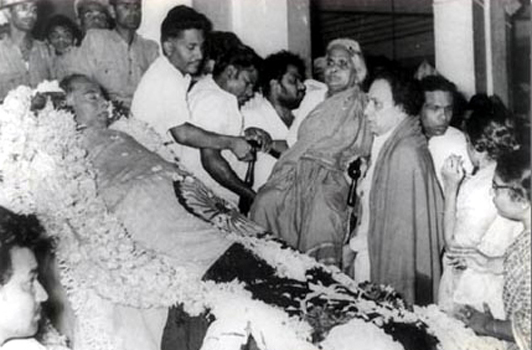

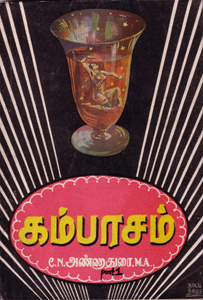

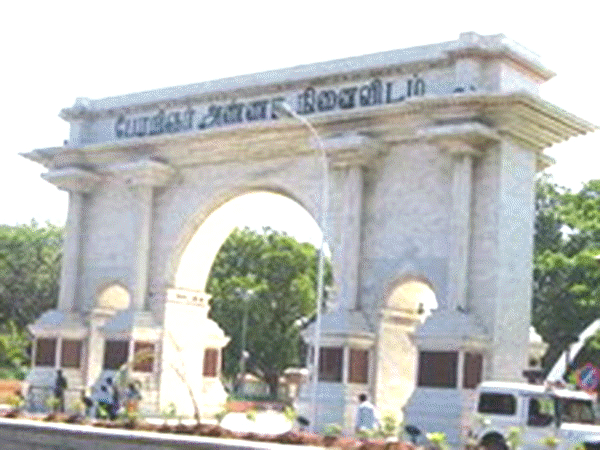
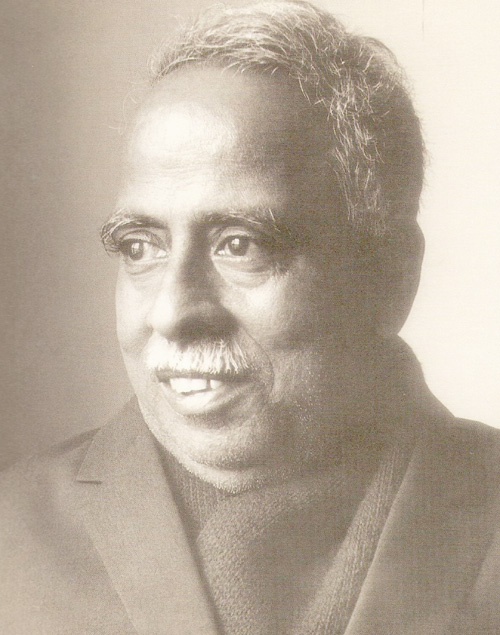
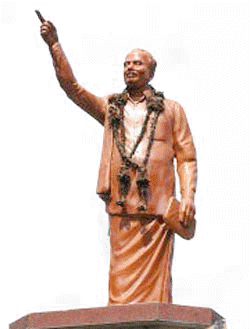

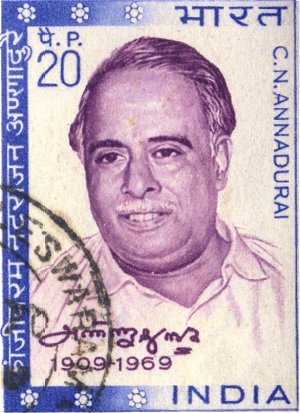 "ANNA" as
he was endearingly called by millions of
Tamilians, was born at Kancheepyram, in a
lower middle calss family, on 15th September
1909.
"ANNA" as
he was endearingly called by millions of
Tamilians, was born at Kancheepyram, in a
lower middle calss family, on 15th September
1909.
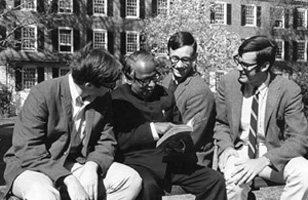
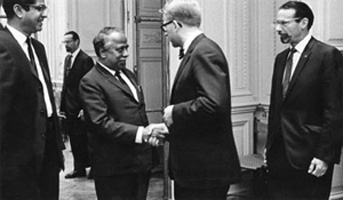
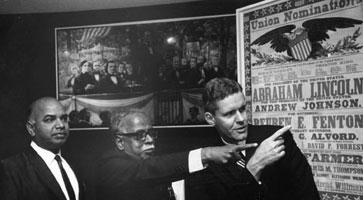
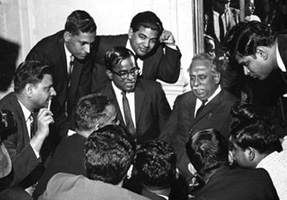
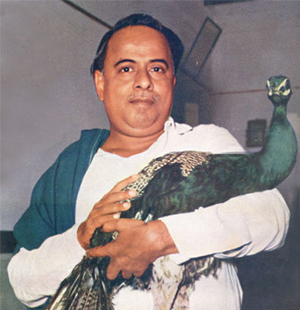
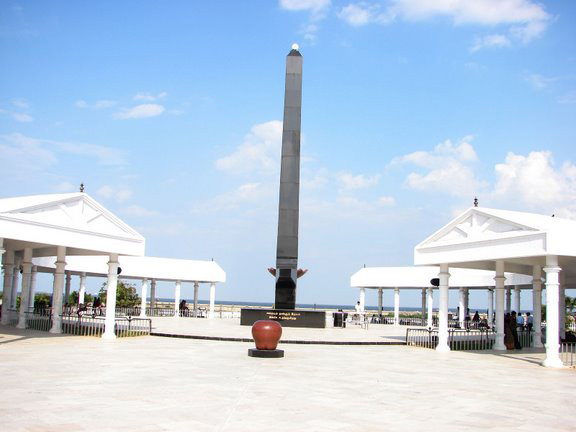
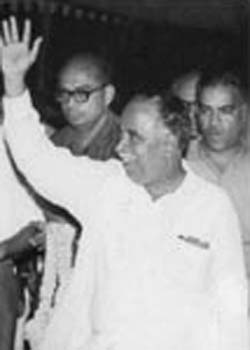
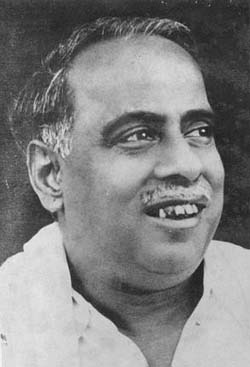 Today is the 96th birth
anniversary of Anna. His sense of mission, his
simplicity, compassion, and talents may seem
outmoded. But so long as human values remain a worthy
goal, his legacy will be relevant.
Today is the 96th birth
anniversary of Anna. His sense of mission, his
simplicity, compassion, and talents may seem
outmoded. But so long as human values remain a worthy
goal, his legacy will be relevant.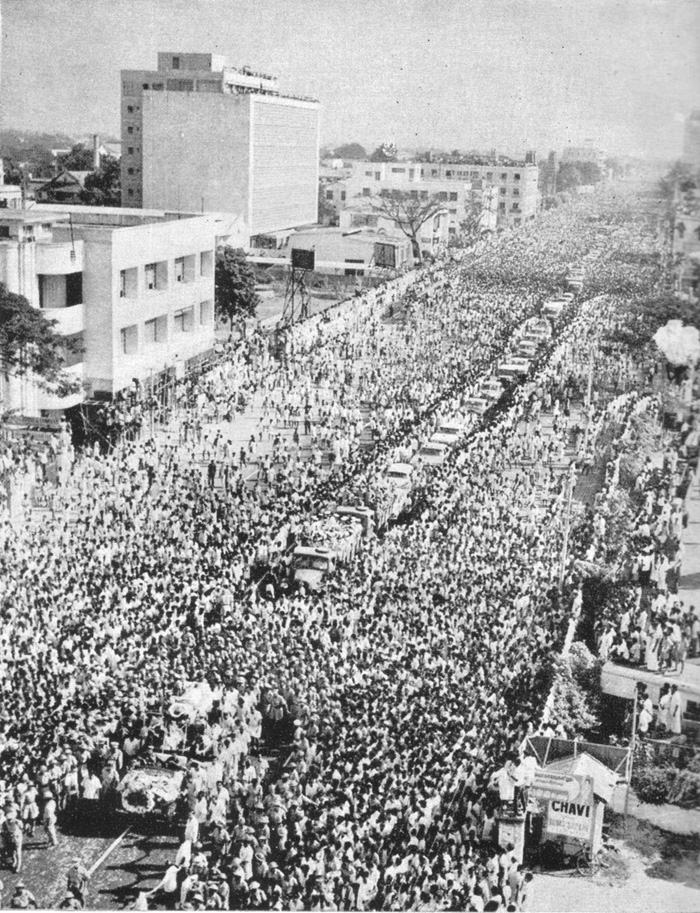
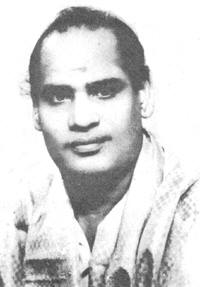 I have no doubt that it�s an
authentic story, since as a fan of Karnatic
music, I enjoyed its appeal as it featured one of
my favorite singers Chidambaram S. Jayaraman, a
brother-in-law of Karunanidhi.
I have no doubt that it�s an
authentic story, since as a fan of Karnatic
music, I enjoyed its appeal as it featured one of
my favorite singers Chidambaram S. Jayaraman, a
brother-in-law of Karunanidhi.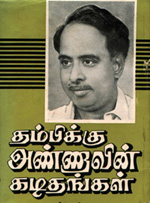 Annavin kalvic
cintanaikal
Annavin kalvic
cintanaikal